Lip Shades
Why Matte Lipstick Looks Patchy on the Second Day
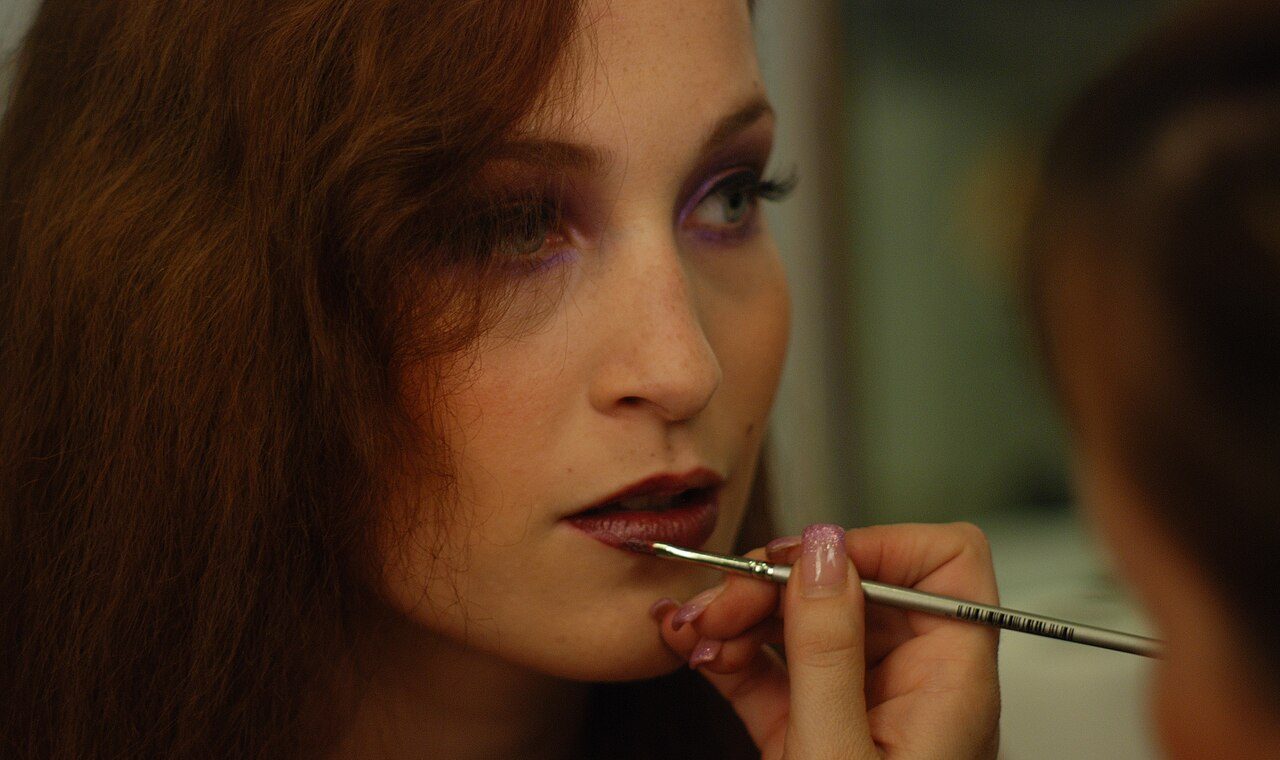
Have you noticed that a matte looks perfect the day you buy it and terrible the following morning, with the same tube and the same mouth?
It is rarely the lipstick.
Matte formulas are unforgiving surfaces, and they report back everything the lip has been through in the previous twenty four hours.
I started photographing my lips before application as well as after, and the cause of most patchiness became obvious.
Here is what is actually happening, in the order it happens.
Matte has no oil to hide behind
A cream or satin carries enough oil to fill the tiny irregularities on the lip surface.
A matte dries down and then sits exactly where it landed, which means every flake becomes a visible island.
That is the whole mechanism of patchiness: the colour does not fail, the surface does.
Which is why the fix is almost always underneath the bullet rather than in it.
The overnight problem
Lip skin repairs itself at night and it sheds at night.
If you sleep with a drying treatment on, or in a warm room with your mouth open, you wake up with a surface that has lost a layer unevenly.
Applying a matte over that is like painting a wall with half the old paint peeling.
Ten minutes of gentle removal in the morning prevents an entire day of patchiness.
Exfoliation is not scrubbing
The instinct is to scrub harder, which makes it worse.
Use a damp warm cloth and light circular pressure, or a fingertip with a balm and a tissue.
What you want to remove is loose skin, not living skin.
If it stings, you have gone too far and the matte will crack by lunchtime.
Once a week is enough for most people, twice if you wear matte every day.
Daily exfoliation keeps the surface raw, and raw skin holds colour badly in a different way.
The goal is an even surface, not a polished one.
Balm timing, not balm quantity
A thick layer of balm right before a matte is the single most common cause of a patchy first hour.
The wax in the balm fights the film former in the matte and the colour separates as it dries.
Apply balm, wait ten minutes, blot it completely, then apply the matte.
Same product, different order, completely different result.
Why the second coat ruins it
A matte that has already set does not accept a second layer evenly.
The new coat grips the dry film in patches and slides off the smooth parts.
If you need more opacity, use a lip brush and press the product in rather than swiping.
Pressing builds colour without disturbing what is already there.
A finger works better than the doe-foot applicator for the same reason: it presses rather than drags.
Warm the product on the back of your hand first if the formula is thick and it will press in more evenly.
Small movements, small amounts, and patience for ten seconds between passes.
The water line you never think about
The inner rim of the lip stays wet all day, and that moisture travels outward.
Matte formulas break down where the moisture reaches them, which is why the very inner edge goes first and looks ragged.
A liner across the inner edge, applied thinly and blotted, slows that migration noticeably.
It is a small step that changes how the whole mouth reads at four o’clock.
Lip shape changes where it fails
Fuller lips hold moisture deeper and dry down more slowly, so they patch near the centre.
Thinner lips dry fast and patch at the edges, where the skin folds most.
Watch which part of your own lip fails first, because that tells you where to concentrate the prep.
One diagnosis per face, not a universal routine.
Anyone who breathes through their mouth at night will patch at the centre regardless of shape, which is why the overnight balm matters so much.
Anyone who talks for a living will patch at the corners first, because the skin folds there all day.
Watch your own pattern for a week and you will know which one you are.
The formula families that patch worst
Very thin liquid mattes with a high alcohol content dry fastest and patch most.
Thick mousse textures patch less but feel heavier and can transfer onto teeth.
Traditional bullet mattes sit in between and are the most forgiving of a dry day.
Know which family you own before blaming the brand.
Cold weather makes it worse
Cold air holds less moisture, indoor heating removes what is left, and lip skin has no oil glands of its own.
In winter I switch to a satin for daytime and keep the matte for evenings, which is a practical compromise rather than a rule.
If you insist on matte in February, add a humidifier before you add another product.
The room matters as much as the tube.
A scarf pulled up over the mouth does more damage than cold air, because it rubs the film off mechanically.
If you commute in one, apply the matte after you arrive rather than before.
That single change fixed a winter of patchiness for me.
What a lip primer really does
A good primer fills the surface slightly and gives the matte something even to grip.
A bad one is a silicone layer that the matte slides around on, which produces patchiness within twenty minutes.
Test a primer on half your lip and compare after two hours.
If the primed half is worse, the primer is the problem and you have saved yourself a purchase.
The blot-and-build method
Apply one thin layer, blot with a tissue, apply a second thin layer, blot again.
Two thin layers always outlast one thick layer and they dry more evenly.
This is the oldest technique in the book and it is still the most reliable.
It also uses less product, which matters if you love an expensive bullet.
When the patchiness is a stain underneath
If you wore a tinted balm or a liquid stain the day before, remnants sit deeper than a cleanse removes.
The new matte dries over a stain that does not match, and the mismatch reads as patchiness.
Oil cleansing, then a second cleanse, is the only thing that shifts a stubborn stain.
Two days of build-up looks like a formula problem and is actually a hygiene problem.
Photographing the failure helps
A phone photo at the two hour mark shows exactly where the colour has lifted.
Most people cannot see the pattern in the mirror because they look at the whole face.
Zoom in on the mouth only and the geometry becomes clear.
Once you can see it, the fix is usually obvious.
Do it three days running and compare the three photographs side by side.
The pattern will be in the same place each time, which rules out the lipstick as the cause.
Then change one thing, prep or formula, and photograph again.
Does hydration actually help
Drinking water helps your body, but it does not visibly plump a lip within an hour.
What helps is sealing moisture in overnight with a heavy balm and letting the lip take it up while you sleep.
Morning application is too late for that process.
Think of it as the previous night’s work, not this morning’s.
Occasional light exfoliation in the evening and a heavy balm overnight is the whole routine, and it costs almost nothing.
Expensive lip masks are mostly the same occlusives in a smaller jar.
Spend the difference on the bullet instead.
What to do mid-day when it has already gone patchy
Do not add more matte on top of a broken film.
Blot the loose colour with a tissue, press a tiny amount of balm into the centre only, and reapply with a finger.
Finger application melts the product into the surface and blends the edges.
It looks deliberate if you stop there, and worse if you keep going.
Do you actually want matte?
Half the people who describe their lips as difficult are simply wearing the wrong finish for their skin.
A satin gives the same depth of colour with none of the surface reporting.
Try the same shade in a satin for a week before deciding your mouth is the problem.
Which finish have you been blaming for something that was really the prep?