Foundation and Match
Why Does Foundation Turn Orange by Midday?
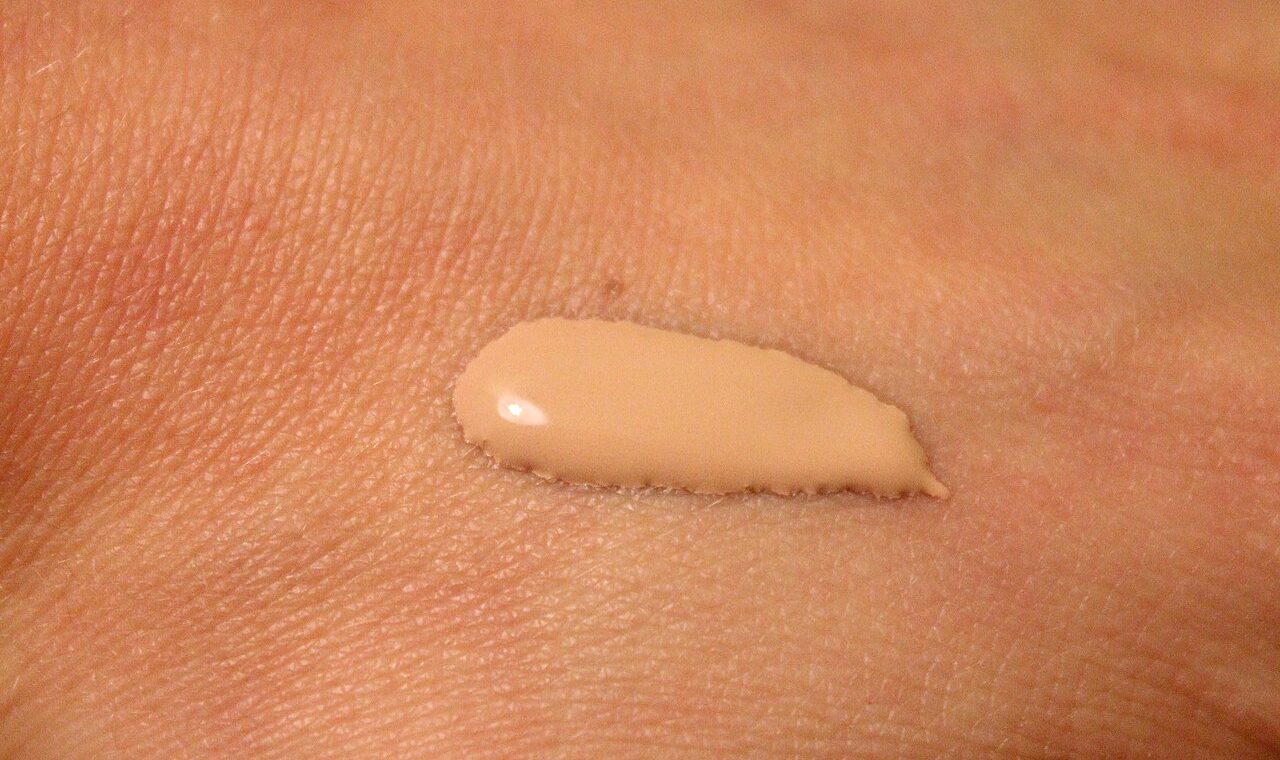
Why is your foundation the right colour at eight in the morning and the wrong one by lunch?
It is one of the most common complaints at any counter, and the explanations are usually wrong.
People blame the brand, the batch, their skin or the weather, and most of the time it is a combination of three specific mechanisms.
I wore the same foundation on four different preparations across two weeks and photographed my jaw every two hours.
The pattern was clear enough to act on.
Mechanism one: oil and pigment separation
Foundation is a suspension of pigment in oil, water and emulsifiers.
When your skin produces sebum, it mixes with the oil phase and changes the ratio.
Pigment that was evenly dispersed begins to clump, and clumped pigment reads darker and warmer.
That is not the foundation changing colour; it is the foundation becoming less evenly spread.
Oily skin sees this by midday; dry skin often never sees it at all.
Mechanism two: oxidation of the oils
Oils in the formula react with air and turn yellow over several hours.
Yellow over a neutral base reads orange, especially on a face that already has warmth in it.
This is why a foundation can look right in the bottle and wrong on the skin after four hours.
Water-based formulas oxidise more slowly, which is one reason they suit oily skin better.
If your foundation turns orange only in summer, oxidation is the likely culprit.
Mechanism three: your skin’s own colour rising
Blood flow increases through the day with heat, exercise, coffee and embarrassment.
A foundation with medium coverage lets some of that redness through.
The more sheer the formula, the more your own colour participates in the final result.
So the same bottle looks different at nine and at three, because you are a different colour at nine and at three.
This is the mechanism nobody mentions, and it is the one you cannot fix with a different shade.
The primer question
A silicone primer creates a barrier that slows oil reaching the foundation, which delays the shift.
A water-based primer does less for oil but keeps the foundation from sinking into dry patches.
Using a silicone primer under a water-based foundation is the classic mistake, and it produces separation within an hour.
Match the base of the primer to the base of the foundation and half the problem disappears.
If you only own one primer, own a silicone one and use it sparingly on the centre of the face.
There is also a middle category: a gel primer that is neither silicone nor water-based.
Those work well under powder foundation and badly under long-wear liquids.
Read the first four ingredients on the box before you buy rather than the front label.
If water is first, the primer is water-based whatever the marketing says.
If dimethicone is first, it is silicone and it will separate a water foundation.
That one reading habit prevents most of the separation complaints people bring to a counter.
Powder timing matters more than powder amount
Powder applied immediately sets the foundation before the oils have started moving.
Powder applied after twenty minutes sets it once the surface has already begun to shift.
The first is better for a long day, the second for a photograph taken within the hour.
Pressed powder over a liquid can also drag pigment and create patchy warmth.
Loose powder on a small brush, pressed rather than swept, gives the most even result.
If your foundation turns orange within two hours, powder earlier rather than heavier.
A thin layer set at minute one does more than a thick layer set at hour three.
Most people treat powder as a repair tool when it is actually a preventive one.
Keep a small brush in your bag and press rather than sweep.
Sweeping lifts the pigment and creates the patchiness that then reads as a colour change.
Pressed powder on a damp sponge is the most controlled version of the same idea.
Why the T-zone goes first
The centre of the face has more sebaceous glands per square centimetre than anywhere else.
Foundation there is in contact with more oil for longer, so it shifts first.
If your face turns orange only in the middle, that is the pattern to look for.
Blotting the T-zone at hour three removes the oil before it can bind with the pigment.
One blot mid-morning extends the correct colour by about two hours in my notes.
The shade you chose in the shop
Foundations that are slightly too warm look correct under shop light and orange in daylight.
If the bottle turns orange consistently, the shade may simply be a step too warm for you.
Test the same formula one shade cooler before you decide the formula is at fault.
Half the oxidation complaints I have heard were shade choices, not chemistry.
That is a cheaper fix than replacing the product.
Setting spray, for and against
A setting spray with alcohol can fix the foundation and dry the skin, which then produces more oil in response.
A setting spray without alcohol holds the pigment but does less for oil control.
Neither stops oxidation; both slow the movement of pigment.
If you use one, apply it before powder rather than after, so the powder has something to grip.
Spraying over powder can lift it and create a patchy orange cast within minutes.
Does a different formula help
Water-based, oil-free foundations oxidise less and shift less on oily skin.
They also separate on dry skin unless the prep is thorough.
Powder foundations do not oxidise at all, because there is no oil to react.
If you have tried three liquids and all turned orange, a powder foundation is a rational next step.
It is the only category that sidesteps two of the three mechanisms entirely.
There is also the option of a tinted primer instead of a foundation, which oxidises very little.
Coverage is low, but for a short day it does the job with half the risk.
Mixing a drop of liquid foundation into a primer gives you a custom tinted base that behaves better in heat.
That mixture is what many makeup artists use on set for long days.
It also means you can adjust the depth by season without buying anything new.
Three products, one bottle of mixer, four seasons covered.
The role of skincare underneath
An oil-based moisturiser under a water-based foundation will cause separation within two hours.
Vitamin C serums can leave a slight yellow residue that warms everything above them.
Niacinamide is usually neutral, which is why it is in so many primers.
If your foundation turned orange only after you changed your serum, the serum is the variable.
Change one product at a time and photograph the result.
Heat and humidity
Above about twenty eight degrees, most foundations break down faster regardless of formula.
Humidity adds water to the surface, which changes how the oil phase behaves.
In that weather, a lighter coverage applied in two thin layers beats one heavy layer.
It also helps to carry blotting paper rather than more powder.
Powder on top of a melting foundation is what produces the orange patchwork people photograph.
A refrigerated foundation feels better but separates faster once it warms on the skin.
Store it at room temperature and keep it out of direct sun, which is the real enemy of the oil phase.
A bottle left in a hot car for an afternoon is a bottle that will oxidise early forever.
That single afternoon explains a lot of otherwise mysterious colour shifts.
If a foundation suddenly changed after a holiday, the journey is the likely cause.
Replace it rather than fighting it.
What to do at midday without starting over
Blot first, always, and never add powder to oil.
Then press a tiny amount of the same foundation over the centre with a damp sponge.
If the colour has already shifted, a drop of a cooler shade mixed in will pull it back.
Carrying a small pot of mixer is more useful than carrying a second foundation.
Twenty seconds of work and the afternoon is recovered.
The photograph test
Take a photo of your jaw at nine, at one and at five, in the same window light.
Compare the three and look at where the colour has moved, not just how much.
Centre only means oil. Entire face means oxidation. Edges only means your skincare is fighting the formula.
That diagnostic takes one day and settles the question.
It is also the only way to know whether a new purchase will solve anything.
When it is not the foundation at all
A bronzer that is too warm, applied too low, reads as an orange foundation line.
A concealer two shades too light in the wrong undertone pulls the whole face warm.
A tinted moisturiser over a foundation doubles the warmth without anyone noticing.
Strip the routine back to foundation alone for one day and see what happens.
Most orange faces are two products agreeing with each other badly.
Is your foundation actually the problem?
Look at the pattern of the shift before you buy anything new.
If the colour change tracks your oil, fix the powder. If it tracks the clock, fix the formula. If it tracks your serum, fix the serum.
Which one of those three is happening on your face?