Tools and Routine
Do Brush Bristles Matter More Than the Brand?
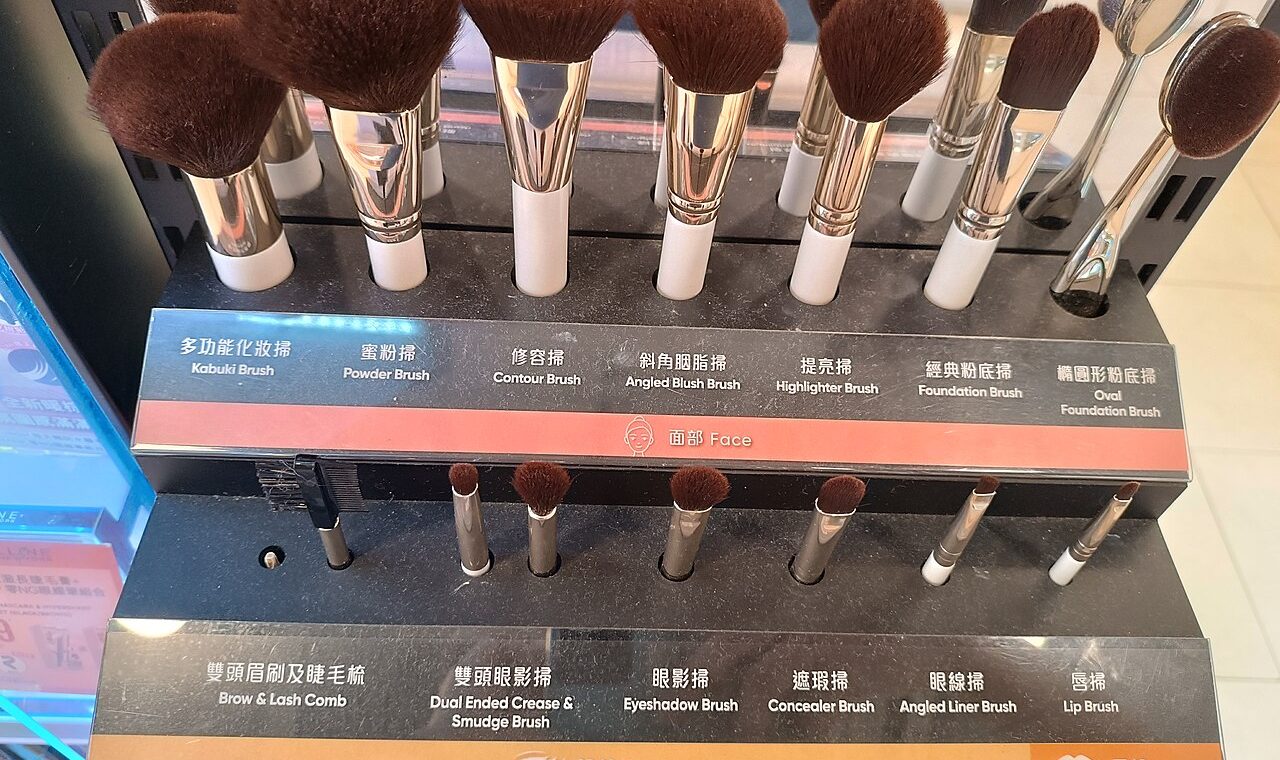
Does the brand on the handle matter, or is the bristle the only thing you should care about?
Bristle material and shape matter more than the logo, but construction matters more than either.
I compared nine brushes across three price bands, using the same products on the same face for a month.
The spread within a price band was larger than the spread between them.
Which is the useful finding.
Here is what to look at, in order of importance.
The four bristle types
Synthetic: uniform, soft, works with cream and powder, dries fast.
Goat hair: soft, holds powder well, blends beautifully, sheds more.
Sable: firm, expensive, excellent for precise work, an ethical question.
Pony and blends: cheaper natural options with variable quality.
Most modern brushes are synthetic and that is fine.
The type matters less than the density and the cut.
Material is the third variable, not the first.
Density, which is the real difference
A dense brush holds more product and deposits more in a smaller area.
A loose brush spreads product thinly and blends better.
Foundation needs density; blending needs looseness.
That is why a good set has both.
Price correlates with density up to a point, then stops.
Density is what you feel when you press the brush against your hand.
Test it there before buying.
The cut and the shape
A domed brush blends; a flat one packs; an angled one defines.
The cut matters more than the material for the result.
A cheap brush with a good shape outperforms an expensive one with the wrong shape.
Look at the shape before the brand.
Most people buy sets and use four of the twelve.
Buy singles in the shapes you actually use.
Shape is the specification that matters.
Ferrule quality
The metal band holding the bristles is where cheap brushes fail.
A loose ferrule sheds hair and eventually detaches.
Check by tugging gently and looking for movement.
A crimped ferrule holds better than a glued one.
This is the part nobody inspects and it decides lifespan.
Look at the join before the bristles.
Construction first.
Handle weight
A light handle feels precise; a heavy one feels luxurious and tires the hand.
For detailed work, lighter is better.
For large areas, weight helps control.
Most people prefer something in between.
Handle material matters less than balance.
Hold the brush before buying if you can.
Balance is a personal preference rather than a quality marker.
What price actually buys
Better hair cutting, more consistent density, stronger ferrules and better quality control.
Above a certain point, you are paying for the handle and the packaging.
The middle band is usually the best value.
The cheapest brushes vary wildly within a batch.
The most expensive ones are consistent and not necessarily better.
Consistency is worth paying for; prestige is not.
Buy the middle and check it yourself.
How to test a brush in the shop
Press it against the back of your hand and see whether the bristles splay evenly.
Rub it gently and look for loose hairs on your skin.
Check the ferrule for movement.
Feel the weight in your hand.
Four checks, thirty seconds.
That is more information than any review.
Test in person when possible.
Brushes for cream versus powder
Synthetic bristles work for both, which is why they dominate.
Natural hair works better for powder and worse for cream, because it absorbs moisture.
If you use mostly cream products, buy synthetic.
If you use mostly powder, natural hair blends more softly.
Match the material to the products you own.
Most routines are mixed, so synthetic is the safe default.
Default to synthetic, then specialise.
The brush you actually need
A foundation brush, a powder brush, a blush brush, a blending eye brush and a small detail brush.
Five brushes cover almost everything.
Sets of twenty are mostly filler.
Buy the five, use them well, and ignore the rest.
Fewer tools, better maintenance.
That is the practical outcome.
Simplicity wins again.
Are brush sets worth it
Sometimes, if the set is small and the shapes are sensible.
Large sets usually include six brushes nobody uses.
Check the shapes before buying rather than counting them.
A set of five good shapes beats a set of fifteen mixed ones.
Count shapes, not items.
That is the only metric that matters.
Numbers are marketing.
Brush care and lifespan
A well-made brush washed weekly lasts years.
A cheap one washed weekly may last months.
Drying flat rather than upright makes the biggest difference to lifespan.
So does avoiding hot water, which dissolves the glue.
Care extends life more than quality does.
Good care on a mid-priced brush beats neglect on an expensive one.
Care is free.
Do you need natural hair at all
No, unless you do a lot of powder blending and want the specific softness.
Modern synthetic bristles are excellent and easier to clean.
They are also vegan and cheaper.
The natural hair advantage is real but narrow.
Most people will not notice the difference.
Start synthetic and stay there unless you have a reason.
Reasons should be specific.
How many brushes do you actually use
Count the ones you touched this week.
That number is your real set.
The rest can be stored or given away.
Owning fewer, better brushes makes maintenance easier and results more consistent.
Consistency comes from familiarity with a tool.
Familiarity comes from using the same few.
Fewer tools, more skill.
Why brushes shed
Shedding usually comes from glue failure or from water in the ferrule, not from hair quality.
Drying upright is the most common cause.
Hot water is the second.
Rough agitation on a mat is the third.
Fix the habit and the shedding stops.
Most shedding is self-inflicted.
Look at your method before the brush.
The brush shapes worth naming
A domed powder brush, a flat foundation brush, an angled blush brush, a fluffy blending brush, a small flat detail brush.
Those five cover every face product and most eye work.
Everything else is a variation on them.
Learn the names and you can shop accurately.
Vocabulary prevents duplicate purchases.
Most brush collections are five shapes repeated.
Name them and the drawer makes sense.
Do you need a separate concealer brush
Not if you use your fingers, which work better for most concealers anyway.
Warmth helps concealer melt and fingers provide that.
A small brush is useful for precision around the nose only.
That is a narrow use case.
Skip it unless you have a specific need.
Fewer tools, fewer things to wash.
Brushes and sensitive skin
Soft synthetic bristles are the gentlest option.
Natural hair can feel scratchy on reactive skin.
Wash more often, since sensitivity compounds with bacteria.
And avoid brushes with stiff, cut bristles, which drag the skin.
Softness matters more than brand here.
Test on the back of your hand first.
The brush that lasts a decade
Dense synthetic bristles, a crimped ferrule, a balanced handle and weekly care.
That combination can last ten years.
Most failures come from glue and water rather than from use.
Care decides lifespan.
Buy well once and maintain it.
That is cheaper than replacing annually.
What about makeup sponges versus brushes
Sponges give a smoother finish and use more product.
Brushes use less product and show more texture.
For a five minute routine, a sponge is faster for base.
For a lighter look, a brush is better.
Format changes the result as much as the technique does.
Choose by finish rather than by habit.
Cleaning changes the feel
A clean brush is slightly stiffer and deposits differently.
Some people prefer the feel of a used brush and skip washing for that reason.
Adjust the pressure rather than the routine.
A clean brush needs a lighter hand.
That is a small calibration worth making.
Feel is a habit, not a requirement.
When to throw a brush away
When the ferrule moves, when it sheds continuously, or when it will not come clean.
Those three are terminal.
Everything else is maintenance.
Replace rather than struggle.
A failing brush ruins product.
That cost is bigger than the brush.
What does your hand reach for?
Look at the brush you always pick up and check its density and shape.
That combination is what works for you.
Buy the next one to match it, regardless of the brand.
Your hand knows more than the marketing does.
Follow the hand.
It has been testing for years.