Tools and Routine
Cleaning Beauty Sponges Without Shredding Them
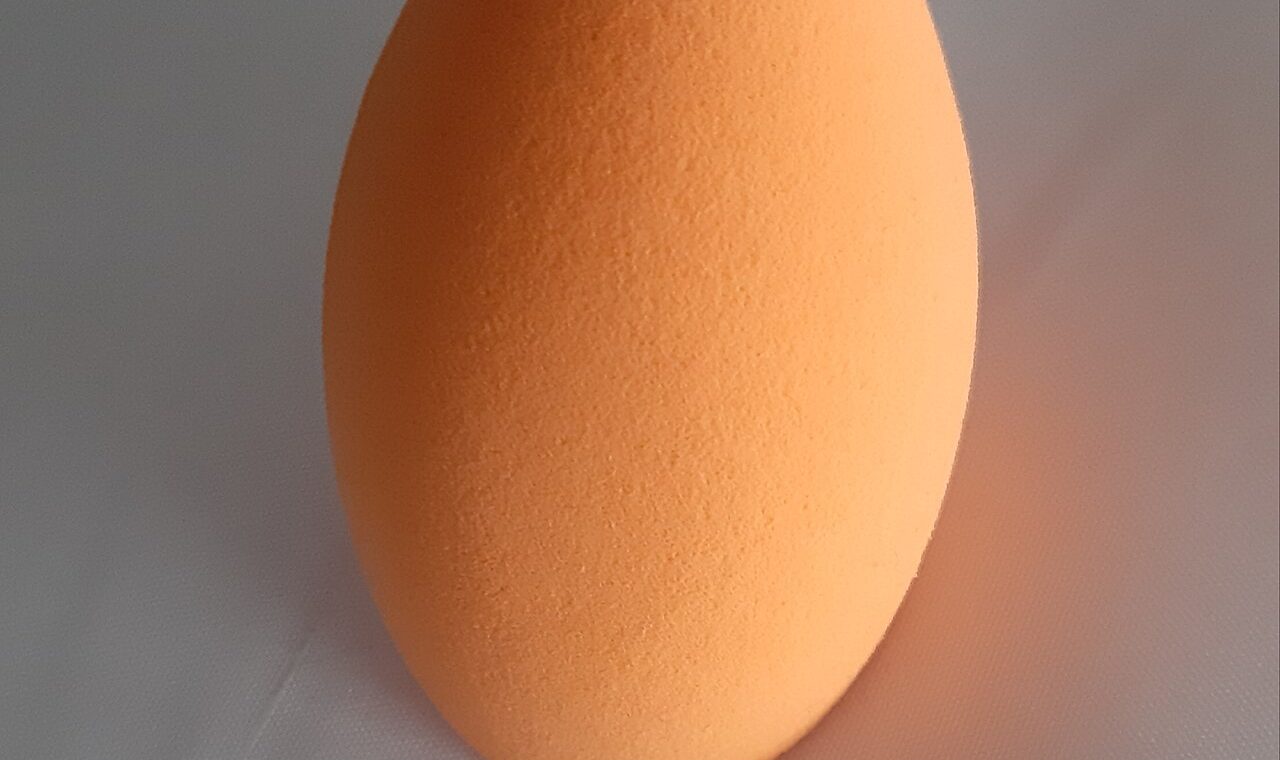
Why does a beauty sponge tear after three washes when the instructions promise months of use?
Because most cleaning methods are too rough for a material that is essentially open-cell foam.
Sponges are the most abused tool in a makeup bag and the shortest lived.
I washed six sponges six ways over a month and recorded which survived.
Two methods kept them intact; four destroyed them.
Here is what actually works.
Why sponges tear
The foam tears at the surface where it flexes most, usually near the edge.
Squeezing hard forces product into the cell walls and stretches them.
Hot water softens the foam and makes tearing easier.
Rubbing against a textured surface abrades the outer layer.
All three are common cleaning habits.
The material is fragile and the methods are aggressive.
Gentleness is the whole technique.
The method that works
Lukewarm water, a small amount of gentle soap, and repeated gentle squeezing.
Submerge, squeeze softly, release, repeat until the water runs clear.
Do not wring, twist or press against the sink.
It takes about two minutes and thirty squeezes.
The sponge comes out intact and clean to the centre.
Patience replaces force.
That is the entire method.
Which soap to use
A solid brush soap works well and rinses cleanly.
Dish soap cuts oil effectively and is harsher on the foam over time.
Baby shampoo is gentle and rinses well.
A dedicated sponge cleanser is formulated for the material and usually the best option.
Whatever you use, rinse thoroughly, since residue breaks down the foam.
Rinsing matters as much as washing.
Residue is the silent destroyer.
The microwave and dishwasher myths
Microwaving a sponge does not sterilise it reliably and can melt the foam.
A dishwasher exposes it to heat and mechanical action, both of which destroy it.
Neither method cleans the interior properly.
Both shorten life dramatically.
Do not do either.
Gentle hand washing is faster than replacing a melted sponge.
Shortcuts cost more here.
Drying properly
Squeeze gently in a towel and leave it in an open, ventilated place.
A closed bag traps moisture and grows bacteria.
Never store a damp sponge in a makeup bag.
A dry sponge is a clean sponge.
Drying is the most neglected step.
Air is the cheapest tool available.
When to replace
Every two to three months with regular use.
Sooner if it tears, smells, or develops dark spots that will not wash out.
Dark spots mean mould in the cell structure and no amount of washing fixes that.
A sponge is a consumable, not an investment.
Replace without guilt.
Cost per use is low.
Do sponges cause breakouts
A damp, dirty sponge is one of the most common causes of repeated breakouts.
The pattern is usually concentrated where the sponge presses hardest.
If breakouts follow the shape of your application, the sponge is the likely cause.
Replace it and wash it more often.
That change alone resolves most cases.
Look at the pattern before buying skincare.
Silicone alternatives
Silicone applicators do not absorb product and clean easily.
They also give a different finish, which most people find less skin-like.
For hygiene, silicone wins; for finish, foam wins.
Choose by priority.
Both can work.
Neither is universally better.
How much product a sponge wastes
A sponge absorbs a significant fraction of the foundation you put on it.
That is the hidden cost of the finish.
Wet the sponge first so it absorbs water rather than product.
That single step reduces waste considerably.
Wet, squeezed, then used.
Three words, less waste.
Sponge versus brush for coverage
A sponge gives a smoother, more blended finish with less visible texture.
A brush gives more coverage and uses less product.
For a light, skin-like base, the sponge is better.
For full coverage, a brush is more efficient.
Choose by the result you want.
The tool defines the finish.
Travelling with a sponge
Carry it in a ventilated container, not a sealed bag.
Or carry a spare and wash the used one at the destination.
A damp sponge in a bag for a day is a bacterial culture.
Ventilation is the whole requirement.
Small container, some air.
Simple and effective.
What about the pointed end
The point is for the nose and under-eye, where precision matters.
It also tears first, because it is the thinnest part.
Wash the point gently and avoid squeezing it directly.
Most sponge deaths start at the tip.
Protect the thin part.
Handle the point with care.
The one habit that saves sponges
Wash after every use, gently, in lukewarm water.
Daily gentle washing extends life more than weekly aggressive washing.
It also keeps the sponge hygienic, which is the point.
Two minutes a day.
That is the whole routine.
Habit beats method.
Do sponges hold bacteria after washing
Some residue remains, which is why replacement matters more than washing technique.
Washing reduces the load; it does not sterilise.
A sponge washed daily lasts better than one washed weekly, and both need replacing.
Both practices together are the answer.
Wash and replace.
Neither alone is enough.
The smell test
A sponge that smells sour has gone past cleaning.
The smell comes from the interior, not the surface.
No amount of soap reaches it.
Bin it and start again.
Smell is a reliable signal.
Trust it.
Sponges and liquid versus powder
Liquid foundation penetrates deeper and is harder to rinse out.
Powder sits near the surface and washes away quickly.
If you use liquid daily, wash daily.
If you use powder, every second day is enough.
Match the schedule to the product.
Product type changes the routine.
Cutting a sponge to shape
Some people trim a sponge to fit the under-eye area.
Cutting opens new cells and shortens life.
Buy a smaller sponge instead.
Cutting is a false economy.
Format over modification.
Buy the shape you need.
How many sponges to own
Two is the useful number: one in use, one drying.
That means you always have a clean, dry option.
It also halves the pressure to wash at inconvenient times.
Two sponges, alternating.
That is the practical minimum.
Sponges and foundation finish
A damp sponge gives a soft-focus finish with less visible texture.
A dry sponge absorbs more product and gives heavier coverage.
Wet is better for light coverage; dry for full.
That is a choice rather than a rule.
Decide by the result you want.
Water changes the coverage.
What about the egg shape
The egg shape fits the curve of the cheek and the nose better than a round one.
It also rolls rather than presses on flat areas.
For most faces, egg is the more useful shape.
A flat edge is better under the eye.
Two shapes cover everything.
Choose by area.
Washing in a hurry
If you only have thirty seconds, squeeze it under lukewarm water and leave it to dry.
Partial cleaning is better than none.
A daily rinse removes most surface product.
The deep wash can happen weekly.
Two levels of cleaning work better than one perfect one.
Consistency over completeness.
Do sponges work for cream blush
Yes, and they give a softer edge than fingers.
They also absorb a lot of product, which matters with a cream.
Warm the product on the hand first, then pick it up with the sponge.
That reduces waste and improves the blend.
Technique again.
Warmth and order.
What about beauty blender brand claims
Shape and foam density vary, but the difference is smaller than the price gap.
A mid-priced sponge with the right density works as well as a premium one.
Density and softness are what you feel.
Test those in the shop if the packaging allows.
Feel beats branding.
Your hand knows.
The five minute weekly reset
Wash the sponge, wipe the compacts, check the mascara date.
Five minutes once a week keeps everything usable.
It also prevents the surprise failure before an event.
Maintenance is boring and effective.
Boring is fine.
Reliability is the goal.
Sponges and setting powder
A sponge pressed into powder gives a very controlled setting layer.
Use a clean corner and press rather than drag.
That technique is the same one used for concealer.
Pressure, not motion.
Consistent technique across tools.
One principle, many uses.
How old is your sponge?
If you cannot remember buying it, replace it.
That is a reliable rule.
Which one have you been trying to rescue for too long?