Lip Shades
How to Choose a Lip Liner When Your Lipstick Has No Match
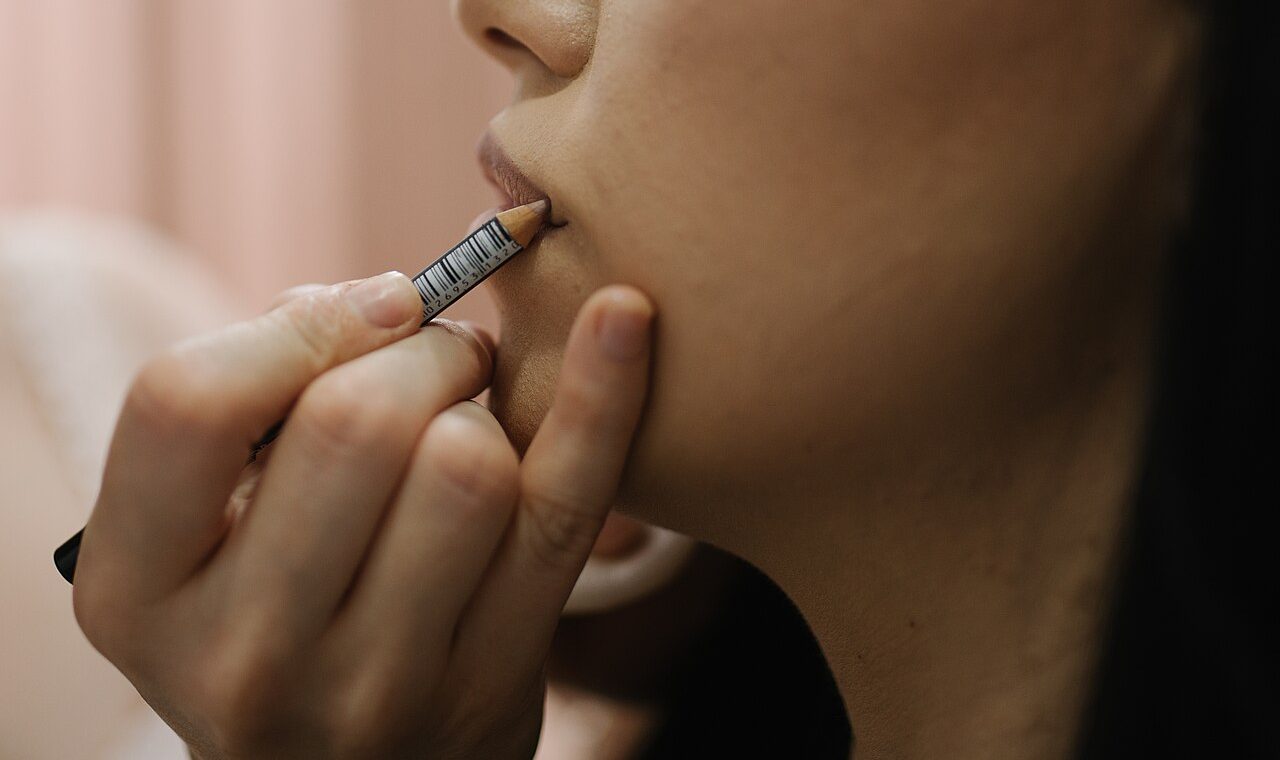
What do you do when the lipstick you love has no liner in the same shade, and the counter assistant suggests a nude?
A nude liner under a coloured bullet is one of the reasons so many people think liner does not work for them.
The liner does not need to match the lipstick, and often should not.
I spent a month matching liners to bullets by rule rather than by eye, and the rules held up better than the counter advice.
Here is the method, and the four situations that cover almost every case.
What a liner is actually for
A liner does three things: it defines the edge, it holds the shape and it leaves a colour behind when the bullet fades.
Only the third one requires any thought about shade.
For definition alone, a liner close to your natural lip is enough, and it will work under everything.
Everything beyond that is about controlling what happens at four o’clock.
Rule one: choose for the fade, not for the tube
Ask what colour you want the lip to be when the lipstick has worn off.
If you are wearing a warm red, pick a liner slightly cooler than the bullet, so the fade lands in the middle.
If you are wearing a cool red, pick a liner slightly warmer, for the same reason.
The bullet will drift in one direction; the liner is the anchor on the other side.
Matching the tube exactly gives you a fade that slides all the way to the bullet’s worst tendency.
Rule two: deeper beats lighter, always
A liner lighter than the bullet makes the edge look soft and the lip look smaller.
A liner deeper than the bullet defines the shape and makes the mouth read slightly fuller.
When in doubt, go one step deeper.
The only exception is a very deep bullet, where an equally deep liner is enough.
Going deeper there just gives you a black edge.
The exception worth knowing is a very pale lip that you want to look fuller without colour.
There, a liner the same depth as your lip works better than a deeper one, because the goal is shape rather than contrast.
Decide what you want the liner to do before you decide its depth.
Shape, wear and fade colour are three different jobs and they pull in different directions.
Rule three: match the temperature to the bullet, not the skin
People often choose a liner to suit their skin and then put a bullet over it that fights it.
The liner’s job is to work with the bullet; the bullet’s job is to work with your skin.
If you have already chosen the bullet well, the liner should follow the bullet’s temperature.
A warm bullet over a cool liner creates a grey seam that no blending fixes.
That seam is the most common reason liner looks amateur.
The neutral-rose universal liner
Most people need exactly one liner that works under almost everything: a muted rose-brown a step deeper than their natural lip.
On fair skin that means a dusty rose; on medium skin a warm rosewood; on deep skin a deep brown-rose.
Under a nude it defines without changing the colour; under a red it anchors the fade.
If you own one liner, own that one.
It solves about seventy percent of the cases I tested.
Test it by drawing a line just outside your natural lip line and blending downward.
If the line disappears into the lip, the depth is right; if it sits like a drawn border, go lighter.
This test takes ten seconds and works on every skin tone.
It is also the reason makeup artists carry one rose liner rather than forty shades.
When the bullet is a berry or a plum
For berry, use a liner in the same family but redder, so the fade lands on a red rather than a fuchsia.
For plum, use a liner that is browner, so the fade lands on a neutral rather than a violet stain.
If you line a plum with a matching plum, the entire mouth goes flat and slightly bruised by evening.
This is the one family where an exact match is the worst choice.
When the bullet is a brown
Brown bullet, brick liner: the orange risk drops and the shade reads richer.
Brown bullet, mauve liner: the shade becomes rosewood and works on cool skin.
Brown bullet, nude liner: nothing happens, and the mouth looks unfinished.
The liner is where you decide which of those three browns you are actually wearing.
Pencil, retractable, or liquid
Traditional pencils are easiest to control and best for filling the whole lip.
Retractables are softer, so they blend more easily but blur the edge faster.
Liquid liners are precise and long-wearing, and completely unforgiving of a shaky hand.
For filling the whole lip, which is the technique that actually extends wear, a traditional pencil is the right tool.
Buy a sharpener that matches the barrel diameter, or you will ruin the pencil.
Wooden pencils can be sharpened to a fine point, which matters for filling the corners.
Retractables cannot, so they blur the shape unless you use a brush.
Liquid liners are best for a sharp edge and worst for filling, because they set too fast.
Buy one wooden pencil in the neutral rose and you have solved the category.
How to fill without looking drawn on
Start at the centre of the lower lip and work outward in short strokes.
Then press your lips together, which transfers colour to the upper lip without any drawing.
Fill the corners last, with the side of the pencil rather than the point.
Blend the inner edge with a fingertip so the bullet sits on an even layer.
This takes about forty seconds and doubles wear time in my notes.
Keep the strokes small and overlapping rather than one long sweep.
Long sweeps deposit unevenly and leave a dark line where the pencil started.
If the lip is dry, apply a thin balm first and blot it before the pencil.
A pencil dragged across a dry lip skips, and the skipping is what looks drawn on.
Liner over the whole lip versus the edge only
Edge only gives you definition and does nothing for wear.
Whole lip gives you a base layer that survives a meal and changes the fade colour.
If you only have time for one, fill the whole lip and skip the outline.
The shape will still look clean because the bullet covers it.
Edge-only lining is essentially a decorative act.
Why nude liners ruin coloured bullets
A pale nude under a red creates a light rim where the products meet, which reads as a gap.
Under a deep shade, the contrast is worse and the lip looks like it has been outlined in concealer.
Nude liners belong under nude bullets, and almost nowhere else.
The counter default exists because nude liners sell to everyone, not because they work for everyone.
Testing a liner before you commit
Draw a stripe on your inner forearm next to the bullet’s stripe and look at the seam between them.
If the seam looks grey or muddy, the temperatures fight and the pairing will fail.
If the seam is invisible, the two colours are compatible.
Then check the fade: wipe both with a tissue and see which colour remains.
That remaining colour is your four o’clock lip.
Do the same test on the lip itself if the shop allows it, since forearm skin is cooler than lip skin.
Wait five minutes before judging, because both products settle into their final colour.
What you see at minute one is almost never what you get at minute ten.
Patience at the counter saves a return later.
Sharpening and hygiene
Sharpen before every use, not after, so the tip is clean and the edge is thin.
A blunt pencil drags the lip and creates the uneven line people blame on their mouth shape.
Wipe the tip with a tissue after sharpening to remove any dust from the sharpener.
Keep the sharpener clean too, or you are drawing grit across your lip every morning.
When you truly cannot find a match
Buy the neutral rose and a white pencil, and mix on the back of your hand.
A touch of white lightens any liner; a touch of brown deepens it.
Two pencils plus a hand is a full custom range.
This is what makeup artists actually do backstage, and it costs less than chasing a match.
Does liner change the bullet’s texture
A dry liner under a creamy bullet makes the bullet sit better and last longer.
A creamy liner under a matte bullet can make the matte slide and patch.
Match the dryness: dry liner for matte bullets, creamier liner for cream bullets.
It is a small detail that explains most of the variation people notice between two wear tests.
What is your liner actually doing?
If you have never filled the whole lip with a liner, try it once with a neutral rose and see what changes.
Most people find the colour lasts four hours longer than they expected.
Which bullet in your drawer has been waiting for the right liner all along?