Skin Tone Notes
Seasonal Colour Typing: What It Gets Right and What It Misses
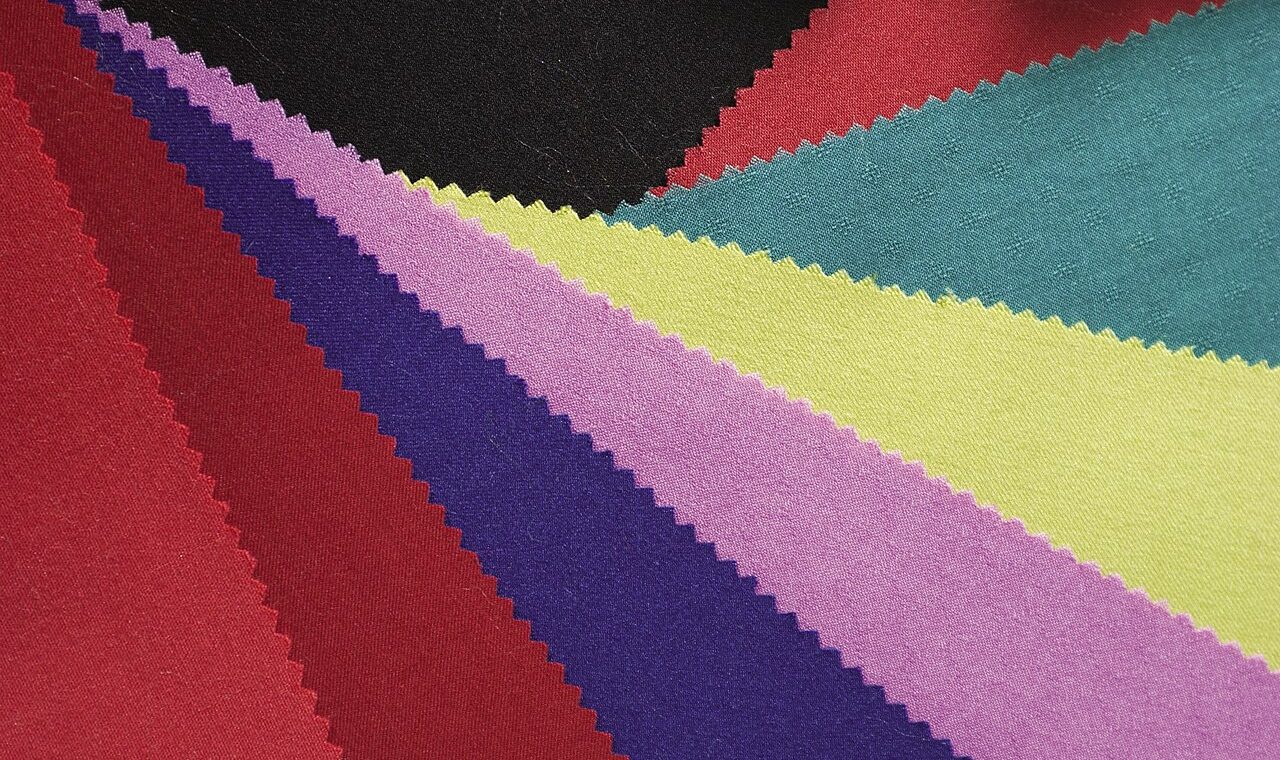
Is seasonal colour analysis a useful framework or a system that puts everyone in four boxes and calls it science?
It is useful, and it is incomplete.
The parts that work are about temperature, depth and clarity; the parts that fail are about certainty.
I ran a simplified version of the analysis on nine people and compared the results with what they actually wore.
The predictions were right about half the time, which is better than chance and worse than a promise.
Here is what to keep and what to ignore.
What the system actually measures
Seasonal analysis looks at three properties: undertone temperature, depth and clarity.
Those three produce the four seasons and their subdivisions.
The measurement part is sound; the naming part is arbitrary.
Whether you are a soft autumn or a deep autumn matters less than knowing your temperature and clarity.
The labels were invented for a specific era of fashion and have lasted because they are memorable.
Memorable is not the same as accurate.
Keep the measurements and drop the mythology.
The temperature axis, which works
Warm versus cool is the most reliable part of the system.
It correlates with what people instinctively reach for and with what photographs well.
If you consistently prefer warm shades and they look right, you are warm, whatever the label says.
The system’s contribution here is a vocabulary for something people already sense.
That vocabulary is genuinely useful when shopping.
Temperature is the axis to trust most.
It is also the easiest to test.
The depth axis, which mostly works
Light versus deep is the second useful axis, and it maps to contrast.
Deep colouring carries deeper shades; light colouring carries lighter ones.
Where the system fails is at the extremes, where people can carry both.
Deep skin with light eyes, for example, breaks the model.
And pale skin with very dark hair breaks it in the other direction.
Depth is real; the four-box version of it is not.
Treat it as a range rather than a category.
The clarity axis, which is unreliable
Clear versus muted is the axis that produces the most wrong predictions.
It is supposed to describe saturation: bright colouring versus soft colouring.
In practice, clarity is heavily influenced by lighting, camera and the clothes you happen to own.
Two analysts often disagree on the same face.
That is a sign that the axis is subjective rather than measurable.
Use it as a preference rather than a property.
Clarity tells you what you like, not what you are.
Why the predictions were half right
In my small test, the temperature prediction was correct eight times out of nine.
The depth prediction was correct six times.
The clarity prediction was correct four times, which is close to guessing.
That pattern is consistent with the axes being unequal in reliability.
It also explains why people come away from an analysis with one useful insight and three confusing ones.
The useful insight is usually about temperature.
Keep that and let the rest go.
What the system misses entirely: texture
Seasonal analysis says nothing about skin texture, which decides finish.
Two people with the same palette may need matte and gloss respectively.
It also says nothing about lip shape, which decides application.
And nothing about contrast between features, only within colour.
Those omissions are why a “correct” palette can still produce disappointing results.
Colour is one dimension of a face, not the whole of it.
Any system that claims otherwise is overselling.
What the system misses: culture and preference
People wear colours for reasons that have nothing to do with analysis.
A shade can be technically wrong and still be the one you love.
A system that overrides preference is not serving you.
The useful version treats analysis as a starting range rather than a rulebook.
Within that range, choose what you enjoy.
Joy is data too.
Most people abandon systems that forbid their favourite colour.
The practical version
Establish temperature with a foundation stripe and a grey card.
Establish depth with a black and white photograph.
Ignore clarity, or treat it as your preference.
Then build a palette in the resulting band and adjust by season.
That is 90 percent of the value with none of the mysticism.
It is also faster than a full consultation.
Three tests, one afternoon.
Seasonal shifts that are real
Your palette does change with the seasons, but because of light and tanning rather than because of a category.
Summer allows warmer and lighter shades; winter rewards cooler and deeper ones.
That is an overtone effect, not a personality change.
Adjust your palette twice a year and stop worrying about which season you are.
The season you were assigned is less relevant than the season outside the window.
Light is the actual variable.
Watch the light, not the label.
What about the drape test
Draping fabric under the face is the classic method and it works reasonably well for temperature.
It fails when the lighting is wrong, which is most of the time in consultation settings.
If you try it at home, do it by a north-facing window at midday.
Use four fabrics: a warm bright, a warm muted, a cool bright and a cool muted.
The one that makes your skin look even is your direction.
The one that makes you look tired is the one to avoid.
That is a useful twenty minute experiment.
Why people love the system anyway
It provides certainty in a category that is full of doubt.
Certainty is comforting, even when it is partly fictional.
The risk is that it becomes a rule that forbids experimentation.
A palette should be a home base, not a fence.
Most people do their best work outside their assigned season, occasionally.
Allow for that.
The system serves you or it does not.
How to use it without being trapped
Take the temperature and depth conclusions and write them down.
Then treat everything else as optional.
Buy within the band most of the time and outside it occasionally.
Photograph both and compare.
Your own data will be more useful than any framework.
Frameworks are shortcuts, not truths.
Shortcuts are useful until they are not.
The honest summary of the whole field
Colour analysis describes real properties with imprecise vocabulary.
It is worth doing once, cheaply, and then ignoring for a few years.
It will not transform your face; it may save you some money.
That is a modest and reasonable benefit.
Anything more dramatic is marketing.
Modest benefits, honestly described, are the most useful kind.
That is true of most beauty advice.
What to do with a palette that half works
Most people’s assigned palette works for about two thirds of the shades.
That is expected, since the system compresses real variation into four categories.
Keep the shades that work and ignore the rest without guilt.
The palette is a shopping list, not a rulebook.
Nobody is grading your compliance.
Take what is useful and leave the rest.
That is how any framework should be used.
The seasonal wardrobe comparison
Most people accept that clothes work in seasons without needing a formal analysis.
They notice through photographs and comfort rather than through theory.
The same method works for makeup and is faster.
Photograph yourself in a few shades and look at the results.
Your own reactions are data.
Theory can explain them afterwards.
Observation first, framework second.
Why the analysis industry persists
It answers a question that feels enormous and personal: what am I.
That question is appealing regardless of the answer’s precision.
The measurements are real and the certainty is invented.
Buy the measurements, not the certainty.
An hour with four fabrics and a north window costs nothing.
That is the version worth doing.
The rest is entertainment.
Testing a shade outside your palette
Choose one shade from a neighbouring season and wear it for a day.
Photograph it in daylight and in the evening.
You will learn more from that experiment than from any consultation.
Often the shade works and the palette was simply narrow.
Occasionally it fails visibly and the palette was right.
Either result is useful information.
One experiment per season is plenty.
What did the system get right for you?
Look at your favourite shades and see whether they share a temperature and a depth.
That is the part of the analysis that was useful.
What did it get wrong, and did you listen to it anyway?