Tools and Routine
Sharpening Lip Liner Without Wasting Half the Pencil
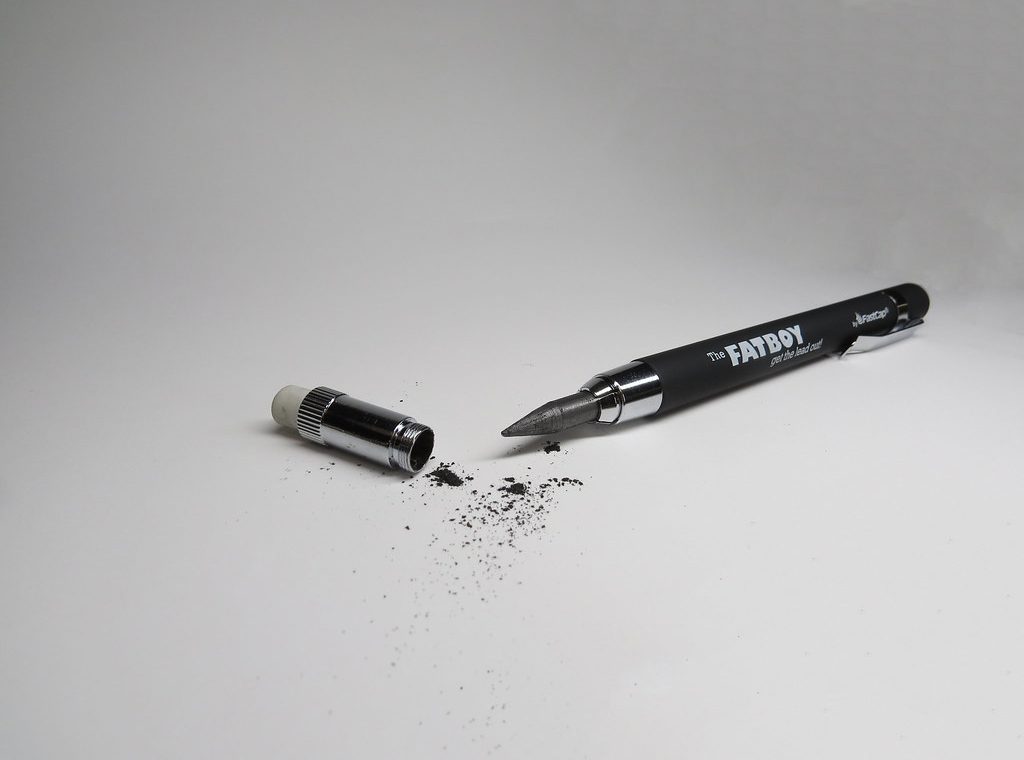
Why does a sharpener eat half a lip liner in one go, and is that avoidable?
It is avoidable, and the cause is usually the sharpener rather than the pencil.
Soft pencils plus a dull blade equals lost product and a broken tip.
I sharpened six pencils with three sharpeners over a month and weighed what was lost.
The difference between the best and worst combination was substantial.
Here is how to keep more of the pencil.
Why soft pencils break
Lip liner is softer than a brow or eye pencil, because it has to glide on the lip.
A dull blade crushes rather than cuts, which snaps the core.
Cold product is more brittle, so a pencil sharpened in a cold room breaks more often.
And a thick core needs a wider sharpener aperture, or the blade digs in.
Three causes, one result.
All three are manageable.
The sharpener matters most
A sharp blade cuts cleanly and removes a thin curl of product.
A dull blade removes chunks and leaves a rough tip.
Replace cheap sharpeners rather than fighting them.
A good sharpener costs less than two lip liners.
It will save more than that.
Buy the tool, not the pencil.
Two apertures, two sizes
Standard pencils need the wider aperture; slim pencils need the narrow one.
Using the wrong one shaves the wood unevenly and snaps the core.
Check the diameter before sharpening.
Most sharpeners have both sizes, and most people use only one.
Read the sizes on the side.
Small detail, large effect.
Warm the pencil first
Hold the pencil in your hand for a minute, or rest it in a warm room.
Slightly warm product cuts cleanly instead of shattering.
Do not heat it with a lighter, which melts the core.
Hand warmth is enough.
Thirty seconds of holding.
That is the whole trick.
Sharpen in short turns
Turn the pencil a quarter turn, then withdraw and reinsert.
Continuous turning in one motion removes too much and snaps the tip.
Short, gentle motions produce a fine point with minimal loss.
It also gives you control over the shape.
Slow is faster here.
Speed causes breakage.
Freeze the pencil before sharpening a soft one
Ten minutes in the fridge firms the core and reduces smearing on the blade.
Do not freeze it solid, which makes it brittle.
Cool is the target, not cold.
This works well for very soft, creamy formulas.
Cool and firm cuts cleanly.
Temperature is a technique variable.
Wipe the blade between turns
Product builds on the blade and drags, which causes tearing.
A tissue wipe between pencils is enough.
Clean the blade with alcohol occasionally to remove residue.
A clean blade cuts better and lasts longer.
Maintenance applies to tools as well as to products.
Small habits, long life.
How much should a sharpening remove
Enough to expose a clean point, roughly two millimetres of product.
More than that is waste; less leaves a blunt tip that drags.
If you are removing five millimetres each time, the blade is dull.
Measure once and you will know what normal looks like.
Most people remove far too much.
Restraint saves pencils.
Do you need to sharpen every use
For hygiene, yes, since the tip touches the lip.
For shape, only when it drags.
A compromise is to sharpen every second use and wipe the tip with a tissue between.
That reduces waste without compromising cleanliness.
Balance the two needs.
Neither extreme is necessary.
Retractable pencils and waste
Retractables waste nothing but cannot be sharpened to a fine point.
They also dry out faster once opened.
For precision work, a wooden pencil wins.
For speed, a retractable wins.
Choose by the job.
Both have a place.
Storing pencils to prevent breakage
Store them flat rather than upright, since standing puts pressure on the tip.
Keep them out of heat and direct sun.
A pencil left in a warm car will soften and never quite recover.
That is the same heat problem as lipstick.
Cool and flat.
Two rules, no breakage.
When to stop sharpening
When the remaining product is shorter than your fingers, it becomes dangerous to sharpen.
Use the stub with a brush, or melt the remainder into a small pot.
There is still usable product in a stub.
Waste less at the end too.
The last centimetre is not rubbish.
Use it.
What about sharpening an eye pencil
The same rules apply, and hygiene matters more because of the eye area.
Sharpen before each use and wipe the blade.
Never share eye pencils.
Sharpen more often and remove less each time.
Frequency beats depth.
That principle holds across pencils.
The economics of it
A lip liner sharpened badly lasts two months; sharpened well it lasts six.
The difference is one sharpener and thirty seconds of technique.
That is a good return.
Most waste in makeup is technique waste, not product waste.
Cheap fixes, real savings.
Technique is the cheapest upgrade there is.
The pencil that never breaks
A slightly drier formula resists breakage better than a very creamy one.
Creamy liners glide beautifully and shatter easily.
For travel and sharpening, drier is safer.
Choose texture for the job.
Softness has a cost.
Match the pencil to its use.
Sharpening over a bin, not a sink
Shavings block a sink and stain a basin.
A tissue on a table catches everything and can be thrown away.
Small logistical choice, fewer problems.
Work cleanly and the habit sticks.
Preparation prevents mess.
Thirty seconds of setup.
What to do when the tip snaps inside
Push the broken core out from the base with a pin, or sharpen past it.
If it keeps snapping, the pencil is too cold or the blade too dull.
Both are fixable.
Do not keep sharpening and hoping.
Diagnose the cause.
The pencil is rarely the problem.
Pencil extenders
A metal holder lets you use the last centimetre.
They cost very little and save a surprising amount over a year.
Most people throw away usable product.
An extender is the cheapest way to stop that.
Small tool, real savings.
Buy it once.
Sharpening and hygiene
The tip touches the lip, so a clean tip matters.
Wipe the tip after sharpening to remove any dust from the blade.
And keep the sharpener covered to avoid grit.
Grit scratches the lip and the pencil.
Clean tools, clean application.
Two habits, one result.
Does the brand of sharpener matter
Less than the blade condition, more than the price suggests.
A cheap sharpener with a fresh blade beats an expensive one with a dull blade.
Replace blades or sharpeners regularly.
That is the whole maintenance plan.
Blade condition is the variable.
Everything else is packaging.
How often to replace a sharpener
When sharpening takes noticeably more effort, the blade is dull.
For daily use, that is roughly every six months.
For occasional use, a year or more.
Listen to the sound; a dull blade scrapes.
Sound is a useful diagnostic.
Replace when it scrapes.
Sharpening a pencil that has melted
A pencil left in heat will have a deformed core.
Cool it completely before sharpening, or it will smear.
If it has separated, it will not recover.
That is the same heat damage as lipstick.
Cooling first is the only fix.
Prevention is easier.
What to keep in a pencil case
Two sharpened pencils, one sharpener, one tissue.
That is a complete kit for the whole day.
Sharpen at home, not on the train.
Preparation at home saves awkwardness later.
Small kit, complete function.
Pack the routine, not the drawer.
The habit that saves the most
Sharpen before use, not after.
A sharpened pencil is ready when you need it and the tip is protected by the cap until then.
Sharpening in a hurry is when tips break.
Do it at the end of the day, calmly.
Preparation beats urgency.
Five seconds, every evening.
Why a fine point matters less than you think
A slightly blunt tip actually draws a softer, more natural line.
Chasing a needle point wastes product and snaps cores.
Stop at a rounded point and blend the edge.
The line will look better anyway.
Aim for usable, not sharp.
Usable is the standard that lasts.
How much of your pencil goes in the bin?
Look at the last three sharpenings and estimate.
If it is more than two millimetres, the blade needs replacing.
What else in your routine is losing product to a dull tool?