Wear Tests
What Happens to Matte Lipstick in Cold Weather
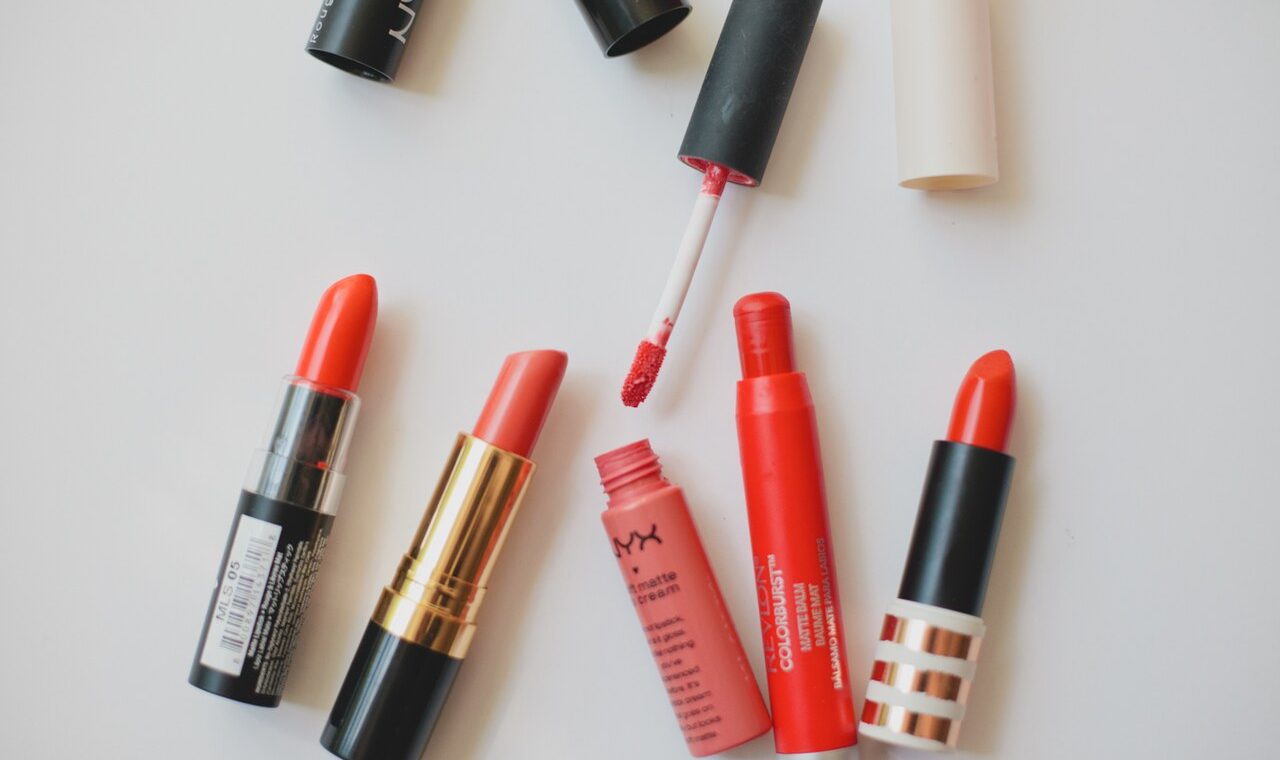
Why does a matte lipstick that behaved all summer crack the moment the temperature drops?
Because matte formulas have very little oil, and cold air removes what little moisture the lip has.
The lip then shrinks slightly, the film does not, and the film cracks.
I wore the same three mattes through a cold fortnight and photographed my mouth four times a day.
The failures were consistent and entirely preventable.
Here is what happens, in order, and what actually helps.
What cold does to the lip surface
Cold air holds less moisture than warm air, so the lip loses water faster.
Lip skin has no oil glands to compensate, which is why it dries before the rest of the face does.
Indoor heating removes even more moisture from the air, so commuting plus an office is the worst combination.
The surface becomes slightly rough, and rough surfaces hold pigment unevenly.
That is the whole mechanism, and it starts before you apply anything.
Winter matte problems are surface problems with a cosmetic ending.
Fix the surface and half the problem disappears.
Why the film cracks rather than fades
A matte film is rigid once it sets, because there is little oil to keep it flexible.
The lip underneath moves and contracts with temperature and speech.
A rigid film on a moving surface cracks at the points of greatest movement.
Those points are the centre of the lower lip and the corners.
That is exactly where winter matte failures appear.
It is not a defect in the formula; it is physics meeting anatomy.
Any matte will do this eventually in cold enough conditions.
The first sign is not visible
Before the cracks appear, the lip feels tight and slightly numb.
That sensation is the film pulling on dry skin.
If you ignore it, the cracks follow within an hour or two.
Most people apply more product at this stage, which makes it worse.
Adding a second layer thickens the rigid film and increases the tension.
The correct response is to remove and start again, or to add balm on top and accept a satin finish.
Fighting a tightening matte never works.
Overnight prep is the real fix
A thick occlusive balm overnight lets the lip take up moisture while you sleep.
Morning application cannot replicate that, because the lip needs hours rather than minutes.
Two consecutive nights make a visible difference to how a matte behaves.
This is the single most effective winter measure and it costs almost nothing.
Use something plain with petrolatum or shea at the top of the ingredient list.
Fancy lip masks are mostly the same thing in a smaller jar.
Consistency beats formulation here.
Morning routine, adjusted
Exfoliate gently twice a week rather than daily, since winter skin is thinner and more fragile.
Apply balm, wait ten minutes, blot completely, then apply the matte in one thin layer.
Skip the second layer unless you genuinely need opacity, and use a brush if you do.
Keep the layer thin at the centre, where the cracking starts.
Press, do not swipe, and do not press your lips together for a full minute.
These are small adjustments that change the day.
None of them require a new product.
Humidity in the room
A humidifier in the room you spend most of the day in raises the ambient moisture and slows the drying.
It sounds like an indulgence and it is the most effective environmental change available.
Even a small one on a desk makes a measurable difference over a week.
In an office you cannot control, a bowl of water near a radiator does something similar.
The point is ambient moisture rather than direct application.
Direct application of water dries the lip further as it evaporates.
That is why licking your lips in cold weather makes them worse.
What about gloss in winter
Gloss is more comfortable and less durable, and in cold weather it can freeze into a slightly tacky film.
A satin bullet is the compromise most people settle on, and reasonably so.
If you want the matte look, keep it for indoor evenings and wear satin outdoors.
That is a practical schedule rather than a compromise.
Nobody needs a matte lip in a snowstorm.
Match the finish to the conditions and both the lip and the mood improve.
Winter is a reason to change the finish, not to give up on lipstick.
The scarf problem
A scarf pulled over the mouth rubs the film off mechanically within minutes.
That is not a formula failure and no product prevents it.
Apply lipstick after you arrive rather than before you leave.
Keep the tube in a pocket rather than a bag, so it stays warm and applies smoothly.
Cold lipstick drags and applies unevenly, which then looks like a formula problem.
Warm it in your hand for thirty seconds before applying.
Small logistics, visible results.
Why winter shades look different
Cold weather changes the light, and winter light is cooler and flatter.
A warm brick that looked rich in summer can look dull in January.
Deeper and cooler shades generally hold up better in winter light.
That is a lighting effect rather than a skin effect, which is why it surprises people.
If your summer lipstick looks wrong in winter, try it again in June before you decide.
Shades are seasonal for reasons that have nothing to do with fashion.
Light is the variable nobody accounts for.
Flaking and the temptation to pick
When a matte cracks, small flakes lift at the edges.
Picking them removes skin as well as product, and the lip then takes days to recover.
Remove with an oil cleanser and a tissue rather than a fingernail.
Then balm, then nothing for the rest of the day if you can manage it.
One picked lip can affect the next three applications.
It is the least dramatic advice on this page and the most important.
Hands off is a technique.
Does a lip mask help
A leave-on mask with a humectant and an occlusive does help, if used overnight.
Sheet masks for lips are mostly novelty and deliver less than a thick balm.
What matters is the occlusive layer that stops water leaving, not the serum underneath.
Look for petrolatum, shea, or lanolin near the top of the list.
Fragrance and menthol feel nice and irritate the lip, which makes dryness worse.
Avoid anything with a cooling sensation in winter.
Cooling means irritation in this context.
What to carry
A tinted balm, a small tube of plain balm, and the matte for the evening.
That combination covers a winter day without any of the cracking.
Reapplying tinted balm through the day keeps the surface flexible.
Then the matte has a better surface to sit on when you do apply it.
Carrying three things sounds excessive and takes less space than a phone.
Preparation is portable.
Is matte worth it in winter at all
For photographs, yes, because matte photographs better than any other finish.
For a full day outdoors, no, because comfort and appearance both suffer.
For an evening indoors, yes, since central heating is dry but stable.
The judgement is about hours rather than about the season.
Matte is fine for four hours and difficult for twelve.
Plan the duration and the finish follows.
That is the whole decision.
What happens under a mask or a scarf
Winter accessories create a warm, damp microclimate against the lip, which is the opposite of the dry air outside.
The film softens in that warmth and then sets again when you remove the scarf.
That cycle is what produces the fine web of cracks rather than one clean split.
It also explains why the damage is worst in the centre, where the fabric rests.
Apply after you arrive and the problem mostly disappears.
It is a logistics fix rather than a cosmetic one.
Most winter lipstick problems are actually clothing problems.
The shade you can get away with in winter
Deeper shades show cracks less than pale ones, because the contrast with the skin is lower at the edges.
A nude matte in winter is the least forgiving combination available.
A mid-depth brick or rose hides the texture and still looks seasonal.
This is not a fashion observation; it is a contrast observation.
If you must wear a nude in cold weather, choose a satin and skip the matte entirely.
Shade choice is a way of managing texture.
Nobody talks about it that way.
What happens to your matte in February?
Notice whether the failure is cracking, flaking or fading, because each has a different cause.
Cracking is dryness, flaking is exfoliation, fading is application.
Which one is on your lip right now?