Lip Shades
Sheer vs Satin vs Gloss: Reading a Finish Before You Buy
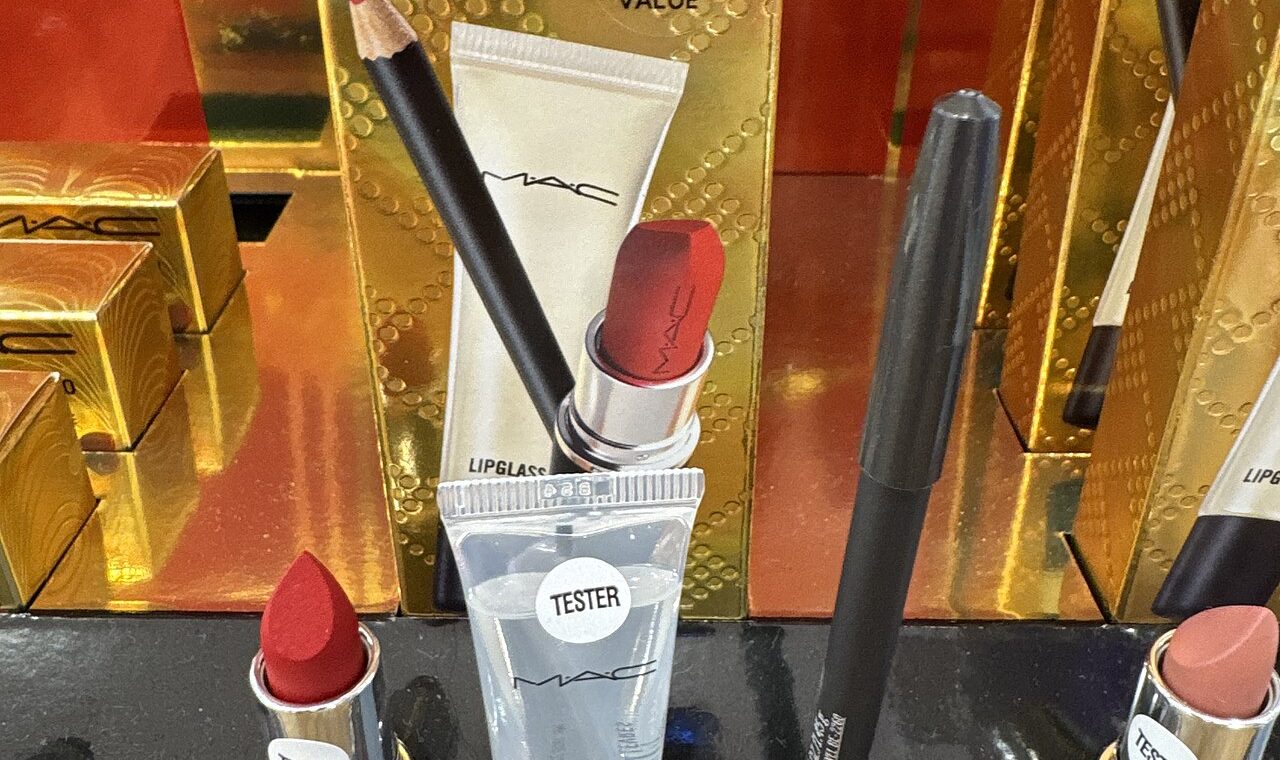
Can you tell what a lipstick will look like on your mouth from the way it sits in the tube?
Mostly yes, and it matters more than the shade does on a bad day.
Finish controls how the colour reads, how long it lasts and how much of your actual lip you see through it.
I grouped my whole collection by finish and wore one family per week for a month, photographing at the same two hours each day.
The differences were larger than I expected, and they were consistent across brands.
The four families that matter
Sheer, satin, matte and gloss are the four you will actually meet in a shop.
Cream is a marketing word that usually means satin with more slip, and balm is a sheer with more oil.
Stain is a separate category altogether, because it works by dyeing rather than coating.
Once you can place a bullet in one of these five groups, you can predict most of its behaviour.
The rest is shade, and shade is the easier half.
Sheer: colour as a suggestion
A sheer lets the lip’s own colour do half the work, so the same bullet looks different on every mouth.
It is the most forgiving finish for dry lips, because it does not sit on the surface and report texture.
It is also the least predictable, because you cannot judge the result from a hand swatch.
Wear time is short, usually two to three hours, and it fades evenly rather than in patches.
If you want a shade you can apply without a mirror, sheer is the right family.
Sheer is also the family that ages best in the tube, because it has less pigment to separate.
It is the finish I recommend for anyone who has just started wearing lipstick and feels overdone in everything.
Build it in two layers rather than one, and it reads as a stain with better manners.
Most people who say they cannot wear lipstick have only tried sheer in the wrong shade.
Satin: the working finish
Satin has enough pigment to show its own colour and enough oil to move comfortably.
It is the finish most people should buy first, because it behaves well in almost every situation.
It photographs slightly softer than matte and lasts four to five hours without much attention.
It is the finish that hides a mediocre application, which is worth more than it sounds.
If you only own one lipstick, make it a satin.
Satin is also the easiest to touch up without a mirror, because a rough edge barely shows.
That property alone makes it the right finish for a workday.
It transfers a little onto cups, which is the price of the comfort.
If transfer bothers you more than dryness, move to matte and accept the prep.
Matte: colour as a statement
Matte is pigment with the oil taken out, and the result is the truest colour you will get.
It is also the finish that reports every flaw on the lip surface, which is why prep matters so much.
Wear time is long, six to eight hours for a good formula, and the fade is usually patchy rather than even.
It photographs strongly and it can make a face look dated if the rest of the makeup is soft.
Matte needs a decision, not a habit.
Matte also makes a small mouth look smaller, which is worth knowing before you buy a deep one.
A matte in a mid-tone is easier to live with than a matte in a dark shade.
If you want the depth without the severity, blot once and press a finger over the lip.
That knocks the flatness off without turning it into a satin.
Gloss: light rather than colour
Gloss works by reflecting the room, which means it changes with every light source.
It adds volume visually and it makes the lip look wetter and softer than it is.
It also transfers onto everything: cups, collars, teeth, other people.
Wear time is an hour or two, and reapplying is part of wearing it.
If you hate reapplying, you will hate gloss regardless of the shade.
Gloss also magnifies the shape of the lip, including any asymmetry you normally hide.
For most people that is a feature rather than a problem.
A gloss with a little pigment is more wearable than a clear one, because it has something to say.
Clear gloss on a bare lip mostly looks like lip balm with ambition.
Stain: the fifth family
A stain dyes the surface rather than coating it, so it survives eating and drinking.
It also fades in a way that no coating does: from the inside out, leaving an outline.
That outline is why people think stains look cheap, though a liner underneath prevents it.
Stains are the best choice for a long day where you cannot touch up at all.
They are the worst choice for dry lips, because the dye finds every flake.
Stains are also the hardest family to remove, which matters if you change your mind at lunch.
An oil-based cleanser is the only thing that shifts a set stain reliably.
Water and micellar will take the surface off and leave the dye behind.
Know that before you apply one at seven in the morning.
Reading a finish in the tube
Look at the highlight on the cut surface.
A sharp, bright point of light means gloss or high-shine cream.
A soft, spread highlight means satin.
Almost no highlight at all means matte, and a slightly waxy surface means sheer.
You can do this through a shop window before you go in.
How finish changes the perceived shade
The same pigment reads lighter in gloss, truer in matte and softer in sheer.
That is why a matte and a gloss in the same named shade can look like two different colours.
It also explains why a gloss that looks perfect in the tube can look pale on the lip.
If you are matching a shade to an outfit, match the finish first.
Shade matching after a finish mismatch is wasted effort.
Finish and the shape of your mouth
Gloss makes a thin lip look fuller and a full lip look overwhelming.
Matte makes a full lip look sculpted and a thin lip look smaller.
Satin is neutral on both, which is another reason it is the safe choice.
Sheer flatters almost every shape because it follows rather than defines.
Your lip shape should influence the finish more than the shade does.
Layering finishes
A matte with a dot of gloss in the centre is a different product: defined edge, soft middle.
A sheer over a stain gives you the wear of a stain and the comfort of a sheer.
A satin under a gloss keeps the colour from sliding off entirely.
Layering is how you get a finish you cannot buy off the shelf.
It is also how most editorial photographs are actually made.
Layering is also how you fix a shade you bought that is slightly too light.
A deeper stain underneath lifts the whole mouth without changing the bullet.
And a matte on top of a stain gives you colour that survives a meal.
Three products, four looks, which is better value than another tube.
What finish does to wear time
In my logs, matte averaged six and a half hours, satin four and a half, sheer two and a half, gloss one and a half.
Stain averaged eight hours of visible colour, though the outline appeared at about hour five.
Those numbers held across brands far more consistently than I expected.
Finish, not price, was the best predictor of how long a lipstick lasted.
Finish and photographs
Matte absorbs light and photographs flat, which is flattering in a portrait and dull in a group shot.
Gloss catches flash and can look like a white smear in the wrong position.
Satin is the most reliable in photographs because it holds a little light without flaring.
If a photographer is involved, choose satin and stop worrying.
The seasonal assumption
Matte is sold as autumn and gloss as summer, and both labels are mostly marketing.
What actually varies is your lip condition, which is drier in winter and oilier in summer.
Choose the finish that suits your lip that week, not the one the display suggests.
The season affects the surface; the surface decides the finish.
How to test a finish quickly
Apply it to your lip and wait ten minutes before deciding anything.
Finish only reveals itself after the oils have settled or evaporated.
Then drink some water and look again, because transfer is the property people forget to test.
Three sips will tell you more than three reviews.
Which finish have you been avoiding?
Most people have a default finish they reach for without thinking, and a family they have written off after one bad tube.
Try the written-off family once more in a shade you already trust.
Which one is it for you, and was it the finish that failed or the formula?