Wear Tests
Wear Testing a Tinted Balm Against a Full Lipstick
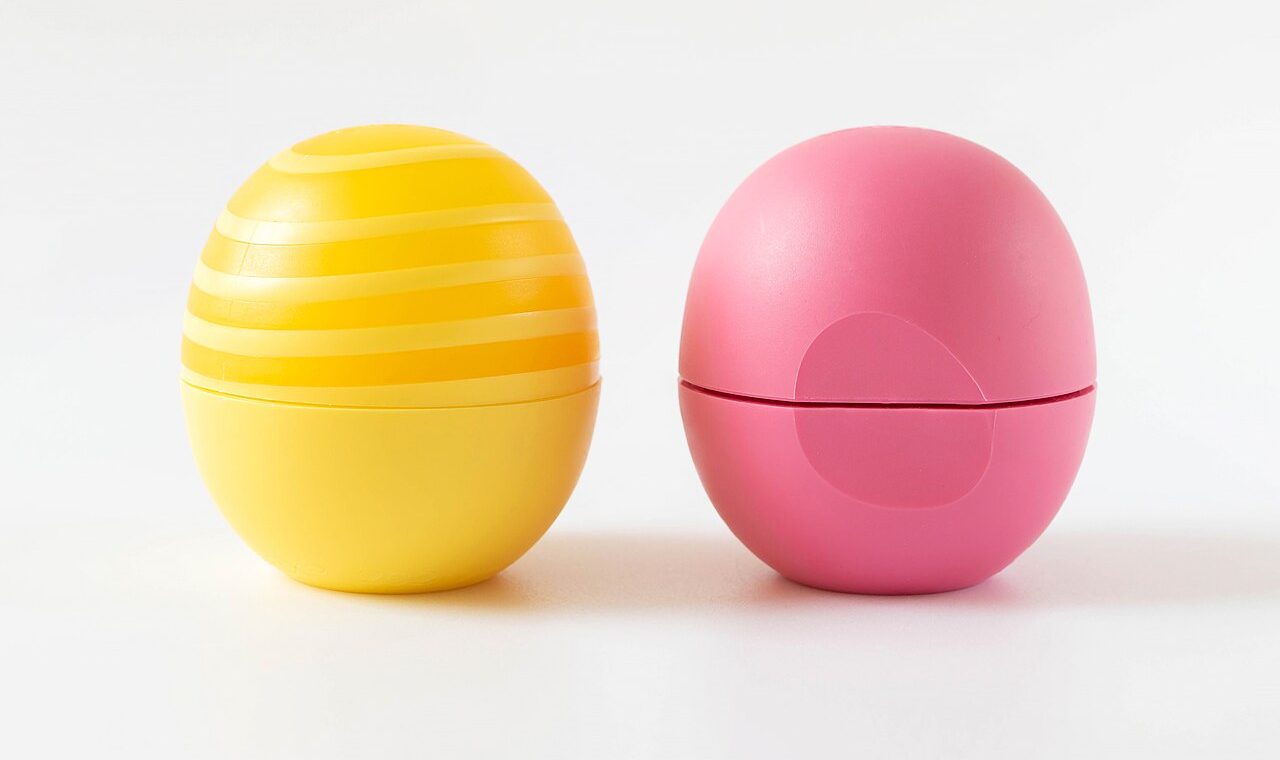
Can a tinted balm replace a lipstick, or is it just a comfortable compromise that disappears by lunch?
I wore one of each on alternate days for three weeks, with the same routine and the same meals.
The comparison turned out to be less about duration and more about what you want the product to do.
They are not competing products; they solve different problems.
Here is the data, and the situations where each one clearly wins.
What the two products actually are
A tinted balm is mostly oil and wax with a small amount of pigment.
A lipstick is mostly pigment and wax with a small amount of oil.
That ratio is the whole difference, and it explains every behavioural gap.
The balm conditions and colours lightly; the lipstick colours and sits on the surface.
Neither is a lesser version of the other.
They are different tools with different jobs.
Most disappointment comes from using one for the other’s job.
Duration, measured
The balm needed reapplying every ninety minutes to two hours.
The lipstick went three to four hours before it needed attention.
Over a nine hour day, that was roughly five applications against two.
The balm also transferred more, because the oil content stays mobile.
On a cup, the balm left a clear mark every time and the lipstick left one about half as often.
The difference is real and it is not small.
If you hate reapplying, the balm is not a replacement.
Comfort, measured
The balm never felt like anything, which is its main advantage.
The lipstick was noticeable for the first hour and occasionally drying by the afternoon.
On a cold day, the difference was larger; the balm was comfortable while the lipstick tightened.
On a hot day, the balm felt slightly heavy and the lipstick felt normal.
Comfort is seasonal in a way that nobody mentions.
That matters if you live somewhere with real winters.
The right product in January may be the wrong one in July.
Colour payoff
The balm gave a tint that read as health rather than as a chosen colour.
The lipstick gave an edge and a depth the balm could not reach.
For a nude or a soft rose, the difference is small.
For a red or a berry, the balm is a different product entirely.
If your goal is a strong colour, the balm is not an option rather than a compromise.
If your goal is a face that looks awake, the balm does it faster.
Match the product to the ambition.
Conditioning effect over weeks
After three weeks, my lips were in better condition on the balm days than on the lipstick days.
That is not surprising, since one adds oil and the other removes moisture.
But the effect accumulated rather than resetting each day.
By the end of the test, the lipstick felt more comfortable than it had at the start, because the balm days had improved the surface.
That is an argument for alternating rather than choosing.
Most people would benefit from both in the drawer.
Condition is a variable that most wear tests ignore.
The reapplication problem
Reapplying a balm is easy and can be done without a mirror.
Reapplying a lipstick requires a mirror if it is a strong colour.
That practical difference matters more than the duration number for most people.
Five easy applications can be less trouble than two careful ones.
Which is why some people genuinely prefer the balm despite the shorter wear.
The maths depends on your day rather than on the product.
Count the mirrors, not just the hours.
Photographs
The balm photographs as a sheen with a hint of colour.
The lipstick photographs as a defined shape with depth.
In group photographs the balm can look like nothing at all, which is sometimes the goal.
In a portrait, the lipstick reads better because the camera flattens sheen.
If a photograph matters, choose accordingly.
That is a lighting decision, not a preference.
Cameras reward definition more than comfort.
Cost per wear
A balm is usually cheaper and used up faster, because you reapply constantly.
A lipstick costs more and lasts months.
Cost per wear ends up closer than the shelf price suggests.
If you use a balm five times a day, the tube lasts about six weeks.
A lipstick at three applications a day lasts far longer.
Do the maths once and the price difference stops being decisive.
Usage pattern is the real cost driver.
When the balm clearly wins
Commuting, working from home, a flight, a day with hay fever, a day when your lips are cracked.
Any situation where a mirror is inconvenient or the lip is compromised.
Also any situation where you want to look like yourself rather than made up.
Those are not small categories.
For many people they are most of the week.
The balm is not a lesser product; it is the correct one for those days.
That is worth saying plainly.
When the lipstick clearly wins
An event, a photograph, a day of meetings where you want to look deliberate.
Any day when the colour is the point rather than the comfort.
Also any day when you cannot reapply, which is most long days out.
And any day when the shade is strong, because a balm cannot deliver it.
Those days need the product that holds.
Keep both and stop trying to make one do everything.
Versatility is a drawer, not a tube.
The hybrid that actually works
A balm applied first, blotted, then a sheer lipstick on top gives comfort and colour.
Or a lipstick applied, then a balm pressed over the top for a softer finish.
Both take twenty seconds and give a result neither product reaches alone.
This is what most people do instinctively and then describe as a lucky combination.
It is not luck; it is layering.
Layering is the answer to most makeup either-or questions.
Two products, one mouth, better result.
What about stains
A stain sits between the two: less comfortable than a balm, more durable than a lipstick.
It also dries the lip, which neither of the others does as much.
If duration is the priority and comfort is secondary, a stain beats both.
That is a third option worth naming.
Most comparisons of balm against lipstick forget it exists.
Three products, three jobs.
Choose by the job.
What the balm does to your lip over a year
Daily balm use reduces flaking and improves how any lipstick applies on top.
That is a compounding benefit that no wear test captures in a single day.
People who switch to a balm often find their lipstick behaves better a month later.
The surface improved, not the product.
That is worth knowing before dismissing the category as ineffective.
The effect is invisible day to day and obvious over a season.
Condition is the slowest variable in makeup.
The mirror question in practice
Count how many times a day you are near a mirror, honestly.
If the answer is twice, a product needing five applications will be applied badly.
If the answer is twenty, duration matters less than comfort.
That count predicts satisfaction better than any wear test.
It also explains why two people with the same lips prefer opposite products.
Their days are different.
Buy for the day you actually have.
Layering a balm under a matte
A thin balm blotted completely before a matte can improve comfort without reducing wear much.
The blot is the critical step; without it, the matte slides and fails early.
Ten minutes between balm and lipstick is the minimum useful interval.
In winter this combination is the most practical thing available.
It gives the comfort of a balm and the look of a lipstick.
Two products, thirty seconds, no compromise worth mentioning.
Most winter routines are missing exactly this step.
What the price actually buys
In both categories, mid-priced products performed as well as expensive ones in my tests.
What the money buys is packaging, scent and the shape of the bullet.
A balm with a good texture costs very little.
A lipstick with a fine pigment load costs more, and that is a real difference.
Spend on pigment, save on balm.
That allocation gets you the most for the least.
Most people do the opposite and then wonder why the expensive one disappointed.
Which one is actually in your bag?
Look at what you reach for on an ordinary Tuesday, not on a good day.
That is the product that suits your real life.
What would you have to give up to switch?