Wear Tests
Why Waterproof Mascara Still Smudges by Four O’Clock
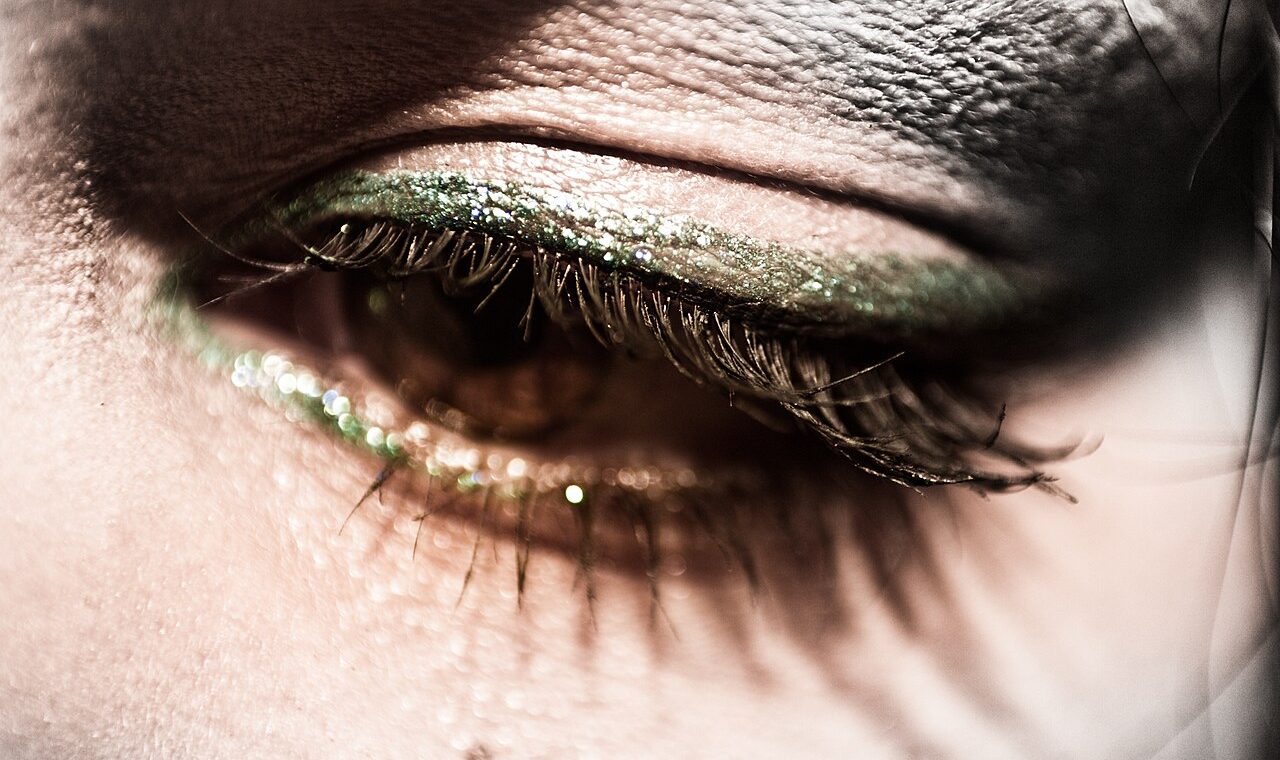
If waterproof mascara resists water, why does it still end up under your eye by the afternoon?
Because the thing smudging it is not water.
It is oil, and most waterproof formulas are designed against water while remaining entirely vulnerable to sebum.
I tested five waterproof mascaras over two weeks, photographing my under-eye at four hours each day.
The pattern explains almost every smudging complaint I have ever heard.
Here is what is happening and what actually stops it.
Waterproof does not mean oil-proof
Waterproof mascaras use polymers that resist water and stay flexible.
Those same polymers dissolve in oil, because oil is what removes them when you cleanse.
Your eyelids produce oil all day, and the under-eye area collects it as it migrates downward.
So the formula meets its own solvent and begins to break before lunch.
The label is accurate and the marketing is misleading.
Waterproof describes a laboratory test, not a day on a face.
Understanding that changes which product you should buy.
Where the smudge actually comes from
Smudging under the eye is rarely the lashes touching the skin.
It is usually the lower lash line transferring product downward.
Lower lashes are short, close to the skin and constantly in contact with it.
Every blink presses them against the under-eye for a fraction of a second.
Over four hours, that is thousands of small transfers.
If the formula is soft or oily, each transfer leaves a mark.
That is why the smudge is always a horizontal line and not a random pattern.
The migration effect
Oil travels downward with gravity and with the movement of the eyelid.
As it moves, it carries pigment with it, which is why the smudge appears below the lash line rather than at it.
This is also why powder under the eye helps: it absorbs oil before it travels.
The powder does not need to touch the mascara to be effective.
It works on the surface the oil would otherwise cross.
That is a different mechanism than most people assume.
You are not setting the mascara; you are setting the road it travels on.
Concealer makes it worse
A creamy concealer under the eye creates a surface that holds pigment easily.
Mascara particles landing on it stick rather than sitting loosely.
The thicker the concealer, the more the smudge clings.
This is why people who wear a full under-eye routine see more smudging than those who wear none.
Setting the concealer with powder reduces the effect significantly.
Or keep the concealer off the direct under-lash area and place it lower.
Small spatial decisions, real results.
The formula texture test
A dry, thin waterproof formula smudges far less than a thick, creamy one.
If the wand comes out heavily coated, the formula is thick.
If it comes out with visible fibres, it will flake rather than smudge.
Flaking falls downward too, which looks similar but behaves differently.
Flakes can be brushed away; smudges cannot.
Choose dry over creamy if smudging is your problem.
Comfort and volume usually come from the creaminess you are trying to avoid.
Application: the lower lashes question
Most smudging comes from the lower lashes, and most people apply too much there.
One light pass with the tip of the wand is enough.
Or skip the lower lashes entirely and let the upper do the work.
That single omission eliminates most of the problem for most faces.
If you need the lower lashes defined, use a light coat and let it dry fully before blinking hard.
Ten seconds of stillness saves four hours of smudging.
The cheapest fix in the category is doing less.
Powder under the eye, correctly
A small amount of translucent powder on a fluffy brush, pressed under the lower lash line.
Not baking, not a thick layer, just enough to absorb oil on the surface.
Use a separate brush from the one you use on the T-zone, since you want a light hand here.
Reapply lightly at hour four if you are going out in the evening.
This is the single most effective preventive measure in my test.
It reduced visible smudging by more than half across all five mascaras.
Cheap, fast and invisible when done properly.
Primer and lash primer
A lash primer adds a layer the mascara binds to, which improves both volume and wear.
It also makes removal harder, which matters if you remove gently.
An eye primer on the lid does nothing for under-eye smudging, because the problem is below the lid.
That is a common misunderstanding and an easy product to skip.
If you have very oily lids, a lid primer helps with creasing rather than with smudging.
Two different problems with two different fixes.
Know which one you have before you buy anything.
Humidity and heat
In humid weather, the under-eye area stays slightly damp, which softens the formula further.
In heat, oil production increases, which accelerates the migration.
The combination is why summer smudging is worse than winter smudging for most people.
A drier formula helps, and so does a lighter under-eye routine.
In August, skip the rich eye cream in the morning and see what changes.
Half the summer smudge is actually skincare.
That is an easy experiment with no purchase involved.
Removal: the argument against waterproof
Waterproof mascara requires an oil-based remover, which is fine but takes time.
If you remove roughly, you lose lashes, and thin lashes make the next application look worse.
So there is a cost to the format beyond the smudging question.
If you do not swim or cry regularly, a good regular formula with a tubing technology may serve you better.
Tubing formulas wrap the lash and slide off with warm water, which avoids both problems.
That is the option most people never consider.
It solves smudging without the removal penalty.
Tubing mascara, examined
Tubing formulas form a polymer tube around each lash rather than a coat of pigment.
They do not smudge, because there is no pigment layer to transfer.
They can flake if you rub your eyes, and they look less voluminous than a traditional formula.
For a long day with no touch-ups, they are the most reliable option available.
For photographs, a traditional formula gives more impact.
Two products, two jobs, and most people only know one exists.
Tubing is the underrated answer to a common complaint.
The pillow problem
If you wake with smudging, the issue is overnight transfer rather than daytime wear.
Sleeping on your face presses the lashes into the skin for hours.
Removing mascara before bed solves it entirely.
If you never remove it, the pigment accumulates and the morning smudge looks worse each day.
This is not a formula issue, despite how it appears.
It is a habit issue with a five minute fix.
Most “my mascara smudges” complaints include at least one night of forgotten removal.
Watery eyes and allergies
Tears are water, which waterproof mascara resists well.
But tears also carry oil from the tear film, which is a different problem.
In allergy season, the constant flow removes even good formulas within hours.
There is no perfect solution, though a drier formula and less lower-lash product helps.
Accepting a lighter look during allergy season is reasonable.
Fighting it usually produces a worse result.
Some weeks are simply not mascara weeks.
What about the flakes
Flakes land under the eye and look like smudges at a glance.
Brush them away with a clean spoolie rather than wiping, which would smear them.
If you see flakes rather than smears, the formula is too dry or too old.
Mascara expires faster than any other product, usually in three months of use.
A dried-out tube flakes from the first application.
Replace it rather than adding saline, which changes the formula’s behaviour.
Most flaking is an age problem, not a brand problem.
The order of operations
Moisturise, wait, conceal, powder, then mascara last.
Doing mascara before powder means the powder lands on the lashes and looks dusty.
Doing it before concealer means the concealer can drag across wet mascara.
Order matters more in this area than anywhere else on the face.
Five minutes of sequencing saves an hour of repair.
Most smudging complaints come from a wrong order rather than a wrong product.
Check your sequence before you check your mascara.
What does your smudge look like at four o’clock?
Photograph your under-eye at hour four and look at the shape of the mark.
A horizontal line is transfer from the lower lashes; a soft shadow is oil migration.
Which one is on your face, and have you been buying the wrong product for it?