Wear Tests
Blotting vs Powdering: Which Keeps Colour Longer
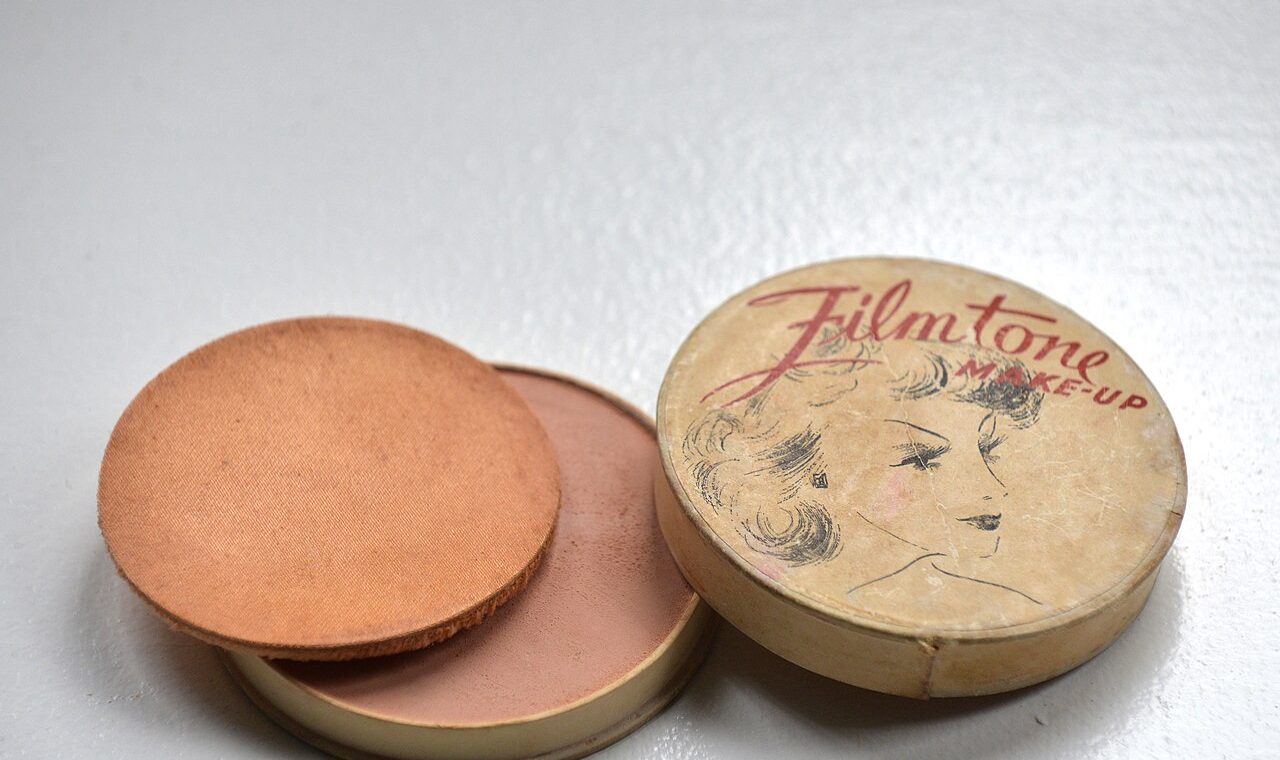
When your face gets shiny at midday, is it better to blot or to powder?
Most people powder, because powder feels like it is doing something.
I tested both on opposite sides of my face for two weeks and photographed at three points each day.
The result was consistent and slightly surprising: blotting alone kept both colour and texture better.
Powder has its place, but it is a smaller place than most routines assume.
Here is the comparison, and the combination that actually works.
What each one does
Blotting paper absorbs oil without adding anything to the surface.
Powder absorbs oil and adds a layer of pigment and filler on top.
The first removes a problem; the second covers it and creates a new surface.
That difference explains everything that follows.
Blotting restores the state the makeup was in at hour one.
Powdering creates a different state, which then ages differently.
Neither is wrong, but they are not interchangeable.
The two week test
Right side of the face blotted only, left side powdered only, at the same times each day.
Same foundation, same primer, same setting at the start.
Photographs at hour one, hour five and hour nine.
I scored evenness, colour and texture separately, because they fail at different rates.
Two repeats per week to account for weather and sleep.
The pattern held across all ten days.
That is enough repetition to trust the direction, if not the exact numbers.
Colour: blotting wins
By hour nine, the powdered side was visibly warmer than the blotted side.
That warmth came from powder mixing with oil and pigment, which is the oxidation effect.
The blotted side had kept closer to its original tone.
This was the clearest difference in the whole test.
If your complaint is that foundation turns orange by evening, blotting is the answer.
Powder adds to the problem rather than solving it.
That is the opposite of what most people do.
Texture: a split result
At hour five, the powdered side looked smoother, because the powder had filled the pores.
At hour nine, the powdered side looked patchier, because the powder had gathered in the dry areas.
Blotting looked slightly shinier throughout and more even overall.
So powder wins on texture early and loses later.
Whether that is a fair trade depends on when you are being seen.
A meeting at ten favours powder; a dinner at eight favours blotting.
That is a scheduling decision, not a product decision.
Why powder creates patchiness
Powder needs a dry surface to sit evenly.
Applied over oil, it clumps in the oily areas and floats in the dry ones.
That is why powdering without blotting first produces the worst result of all.
The combination of blot then powder is better than either alone.
But blotting alone is better than powdering alone.
That ordering is the practical takeaway.
Blot first, always, and then decide whether you need powder at all.
What blotting paper to use
Plain paper works, and expensive blotting papers mostly differ in size and packaging.
Rice paper is softer and less likely to disturb the base.
Film papers lift less product and remove less oil.
A plain tissue pressed flat does almost the same job as any of them.
Press, do not rub, and use a fresh area for each part of the face.
Rubbing is what removes the foundation along with the oil.
Technique matters more than the paper.
The powder that works if you must
A very finely milled translucent powder pressed with a small brush is the least damaging option.
Apply it only where shine is visible, not across the whole face.
Use a separate small brush for the nose, since that area needs a lighter hand.
Tinted powders shift the colour slightly each time you use them.
Over a day, three applications of tinted powder add up to a visible change.
Translucent does not, which is why it is the safer choice for touch-ups.
Save the tinted powder for the first application.
Blotting and dehydration
If you blot more than twice a day, your skin may be dehydrated rather than oily.
Dehydrated skin produces oil to protect a compromised surface.
A hydrating serum underneath often reduces midday shine more than any powder.
That is a counterintuitive fix and it works.
Blotting is a symptom treatment; hydration is the cause treatment.
If your face is shiny at ten in the morning, look at your skincare first.
Nobody powders their way out of dehydration.
Blotting and sunscreen
Blotting removes oil and some sunscreen with it.
If you are outdoors, blot less and reapply sunscreen instead.
Powder does not restore sun protection either, despite what some products imply.
A powder with SPF gives a fraction of the labelled protection in practice.
Treat any SPF in makeup as a bonus rather than as protection.
That is true all year and especially in summer.
Blot, then reapply sunscreen, then decide about powder.
Paper versus film versus cloth
Paper absorbs most and disturbs the base least when pressed.
Film lifts product along with oil, which is useful if the base has already gone patchy.
Cloth removes the least and is best for very dry skin that only shines slightly.
Matching the tool to the problem is more useful than buying a premium brand.
Most people own one type and use it for every situation.
Two types cost less than one foundation.
That is a better use of money.
What about setting spray instead
Spray does not remove oil, so it does not solve shine.
It does hold the base in place and can improve texture when used before powder.
Using spray instead of blotting leaves the oil on the face and adds a film over it.
That combination can look greasy within an hour.
Spray is a setting tool, not a cleaning tool.
Use it at the start of the day and blot later.
Trying to fix shine with spray is a category error.
The habit that changes the day
Blot at hour four, before the shine becomes visible.
Preventive blotting keeps the base stable, while reactive blotting happens after damage.
One blot at the right time is worth three later.
That single timing change made the biggest difference in the whole test.
It also means you carry less and touch your face less.
Both are good outcomes.
Timing beats tools.
When powder is genuinely better
If you have very oily skin and a long event, powder gives you a matte surface that lasts.
If you are being photographed with flash, powder controls shine that would otherwise flare.
If your base has already separated, powder can visually reset it for an hour.
Those are real uses and they are specific.
Outside them, blotting does the job with less risk.
Keep both tools and use each for its purpose.
That is what a makeup bag is for.
The morning application decides the afternoon
A base applied in two thin layers holds far better than one thick layer, whatever you do later.
That is true of foundation and it is the reason some people never need to blot at all.
If your base is thin and even, blotting at hour four restores it almost completely.
If it is thick, blotting removes pigment along with oil and leaves a patch.
So the midday comparison is partly a test of the morning technique.
Fix the application and the touch-up becomes trivial.
Most people try to solve an application problem with a product.
What blotting does to blush and bronzer
Blotting removes oil and takes a little powder pigment with it, especially on the cheeks.
Over a day, the cheeks can lose their colour while the centre stays intact.
A cream blush underneath a powder blush survives blotting far better than powder alone.
That layering is worth doing if you blot twice a day.
Bronzer at the perimeter is less affected, since it sits further from the oil.
Position matters as much as formula here.
Colour at the edges lasts longer than colour in the middle.
The shine that is not oil
Some midday shine is light reflecting off powder rather than oil sitting on the skin.
Blotting that shine does nothing, because there is no oil to remove.
Check by pressing a tissue: if it comes away clean, the shine is optical.
In that case a light mist of setting spray does more than any paper.
Distinguishing the two saves a lot of unnecessary blotting.
Most people assume every shine is oil.
Half the time it is the product’s finish doing its job.
What does your midday routine actually do?
Tomorrow, blot one side and powder the other and photograph both before you take it off.
The difference will tell you which habit your face prefers.
Which side of your face has been getting the wrong treatment?