Eye and Cheek
Cream Shadow Without Creasing: The Order of Layers
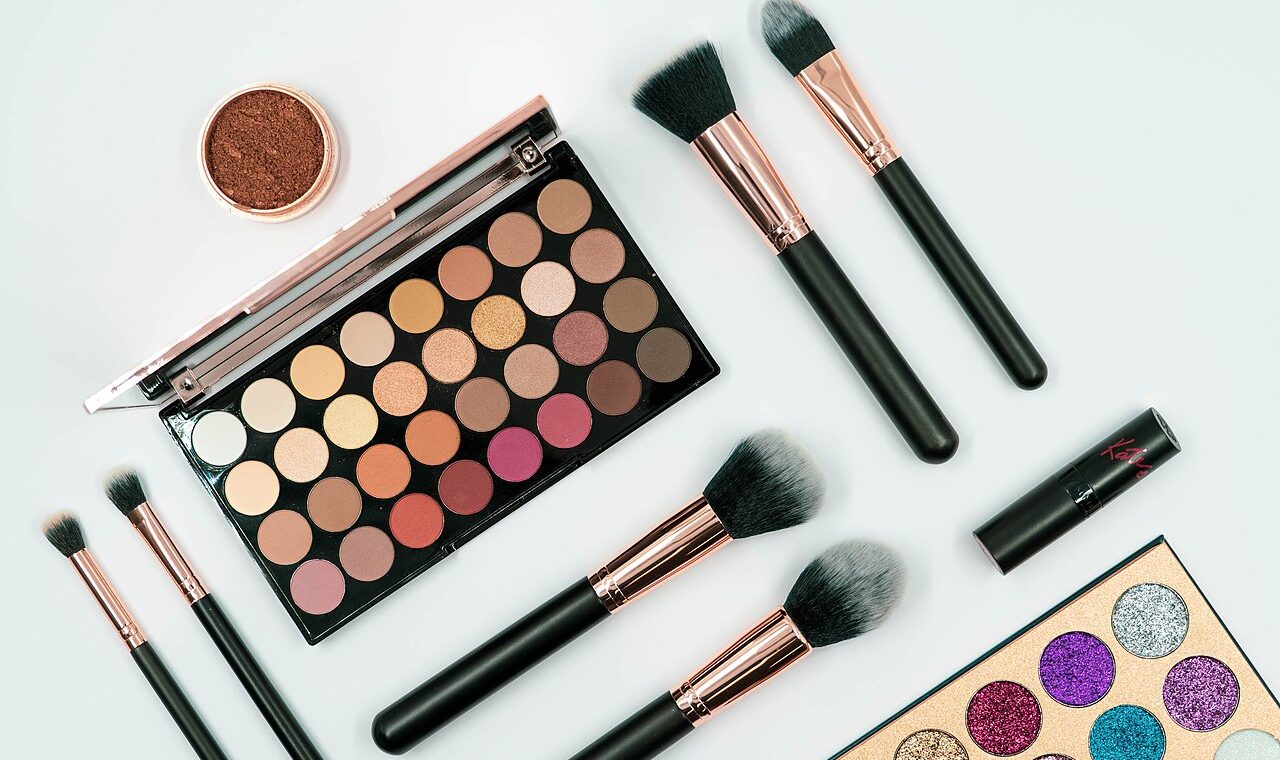
Do cream shadows crease because of the formula, or because of the order you apply them in?
Mostly the order, and the order is almost never explained properly.
Cream shadow is the most useful product in a minimal routine and the easiest to ruin.
I tested four cream shadows with five layer orders over two weeks.
Two orders never creased; three creased within two hours.
Here is the sequence, and why each step exists.
Why cream creases at all
Cream shadow is pigment suspended in oil and wax.
It stays soft, which is why it blends beautifully and moves afterwards.
On a folding lid, soft product migrates into the fold and gathers there.
The migration is mechanical and predictable.
Setting the cream is the only way to stop it.
Setting means powder, always.
There is no cream that sets itself completely.
The order that works
Blot the lid, prime, set the primer lightly, apply cream thinly, blend the edge, set with a matching powder shadow.
That is six steps and takes under three minutes.
Each step has a job and skipping any one changes the outcome.
The most commonly skipped step is setting the primer.
The second is setting the cream.
Those two omissions cause almost every creasing complaint.
Six steps, three minutes, no creasing.
Why set the primer
Primer is slightly tacky, which helps shadow grip but also catches the first swipe unevenly.
A thin layer of translucent powder over the primer makes it matte and even.
The cream then spreads smoothly instead of grabbing.
Without it, the cream lands in a patch and blends badly.
Ten seconds of powder changes the whole application.
Small step, large effect.
Most people never try it.
Thin is the whole technique
A thick layer of cream never sets, no matter what you put over it.
Use a fingertip and press rather than swipe, taking a tiny amount each time.
Build in two layers rather than one thick one.
The warmth of the finger melts the product into the skin.
A brush deposits more than most lids need.
Start with less than feels sufficient.
You can add, and you cannot subtract.
Setting with powder, correctly
Press a matching powder shadow over the cream rather than sweeping.
Pressing sets the cream in place; sweeping drags it off.
Use a flat brush and a small amount of powder.
The powder also adds depth, which makes the cream look more like a shadow than a stain.
This is the step that turns a cream into a long-wear product.
It is not optional.
Set the cream and the day is solved.
Blending the edge before it dries
Cream sets quickly once applied, so the edge must be blended immediately.
Use a clean finger or a small brush with no product on it.
Blend upward and outward, following the shape of the eye.
Once set, the edge cannot be fixed without removing everything.
Speed matters here more than anywhere else in the routine.
Have the clean brush ready before you start.
Preparation prevents the panic.
Which cream formulas set best
Long-wear creams described as transfer-proof set hardest.
Traditional cream shadows in a pot stay soft and crease more.
Stick formulas sit in between and are the most forgiving.
Read the word set or transfer on the packaging.
If the product feels wet on the back of your hand, it will crease.
Texture on the hand predicts behaviour on the lid.
Test there first.
The one-colour routine
A single cream shadow, set with a matching powder, is a complete eye in ninety seconds.
Apply slightly above the crease, blend, set, add mascara.
That look works for most days and most faces.
It also travels well, since two small products cover everything.
Minimal routines crease less because there are fewer layers to move.
Simplicity is a technique, not a compromise.
Fewer products, fewer failures.
Cream over powder shadow
Applying cream over powder is the reverse of the correct order and it separates.
The cream cannot bond with a powder surface and slides.
If you want both, use powder first only as a base colour and cream above the crease.
Even then, set the cream afterwards.
Order matters more in this category than in any other.
Cream first, powder second.
That rule has no exceptions worth trying.
Cream shadow on mature lids
Cream is more flattering than powder on textured lids, because it does not settle into lines.
But it migrates more, so setting is essential.
Use a satin cream rather than a matte one, which looks less dry.
And keep the colour light, since dark cream emphasises every fold.
Light cream plus a fine setting powder is the most forgiving combination.
Texture is the priority at this stage.
Colour comes second.
Hooded eyes and cream
Cream is excellent on hooded eyes because it can be placed above the fold and blended.
Set it well, since the fold will press against it all day.
Keep the colour on the visible part of the lid rather than in the crease.
A single wash of colour above the fold opens the eye.
Dark cream in the crease closes it.
Placement again, not product.
Work with the shape you have.
Removing cream shadow cleanly
Cream sticks to the lid and needs an oil-based remover.
Soak a pad and hold it against the closed eye for twenty seconds.
Then wipe downward, away from the lashes.
Rubbing pulls the delicate skin and creates lines over time.
Gentle removal is part of the routine, not an afterthought.
The skin around the eye shows every habit.
Be slow there.
What about cream blush and cream shadow together
The same product can often be used on both, which is why cream palettes exist.
Set each area separately with powder.
The cheek needs less setting than the lid.
That difference is why one palette can serve two areas with different results.
Understand the difference and a small palette becomes a full routine.
Versatility comes from technique.
Not from product count.
Does primer really need to be eye-specific
Face primer is too emollient for the lid and makes creasing worse.
An eye primer is formulated to be drier and tackier.
That difference is not marketing; it is the mechanism.
Use the right product for the area.
If you have no eye primer, a mattifying face primer works reasonably.
Never use a hydrating one.
Match the formulation to the surface.
When it still creases
If creasing persists after all six steps, the lid is very oily and needs a different approach.
Try a powder shadow only, with a mattifying base.
Or use a cream only above the crease, where the fold does not reach.
There is no shame in abandoning a format that does not suit your lid.
Formats are tools, not obligations.
Choose the one that works.
That is the whole point of testing.
What happens when you skip the powder step
The cream stays soft and gathers in the fold within ninety minutes.
The line is usually darker than the shadow, because pigment concentrates where product collects.
That is why crease marks look almost black on a light shadow.
It is not a colour change; it is concentration.
Setting prevents the gathering entirely.
One step, complete solution.
Test it once and the argument ends.
Cream shadow in summer
Heat softens cream further, so summer creasing is faster and more visible.
Set more firmly and use less product.
A mattifying primer helps on very hot days.
Or switch to powder for the hottest weeks and return to cream in autumn.
Formats can be seasonal.
That is a reasonable adjustment rather than a defeat.
Match the product to the weather.
Using cream as a base under powder
A thin cream layer under a powder shadow intensifies the powder’s colour.
It also changes the texture, making the powder look more like skin.
Set the cream first, then apply the powder.
Two thin layers produce a result neither product reaches alone.
This is the most useful cream technique for anyone who mostly owns powders.
It also extends the wear of a cheap palette.
Layering is the skill worth learning.
Does setting change the colour
A matching powder deepens the cream by a fraction.
A translucent powder does not change it at all.
Choose by whether you want depth.
Either way, set.
The colour shift is small and the wear gain is not.
Set, then judge.
What does your cream shadow do by noon?
Look at the fold and see whether the colour has gathered there.
If it has, one of the six steps was missing, and it is usually the setting.
Which one have you been skipping?