Eye and Cheek
Why Eyeshadow Creases and What Stops It
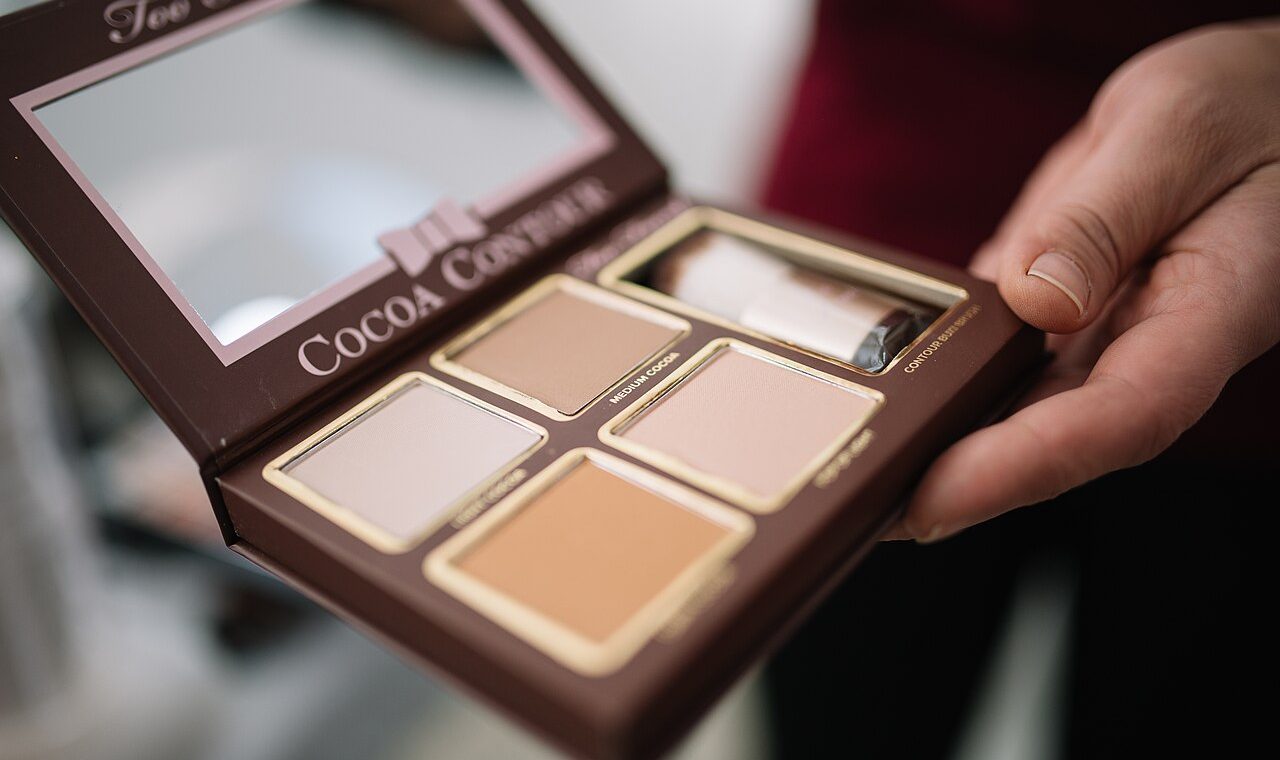
Why does eyeshadow collect in the crease within an hour, no matter which palette you buy?
Because the crease is the one place on the eyelid that folds, rubs and produces oil all day.
No shadow formula survives that without help.
I tested six application sequences over two weeks, photographing at one hour and five hours.
The sequence mattered more than the shadow, and one step made most of the difference.
Here is what actually stops creasing, in order of effectiveness.
The mechanics of creasing
Eyeshadow is powder held together with a binder.
When oil reaches the binder, the powder re-wets and moves.
It collects in the crease because that is where the surface folds and traps product.
Every crease mark is powder that has migrated, not powder that has disappeared.
That is why the colour looks thinner on the lid and thicker in the line.
Understanding the migration explains every fix on this list.
You are managing movement, not adhesion.
The eyelid primer, and why it works
A dedicated eyelid primer creates a barrier that oil cannot easily cross.
It also gives the powder something slightly tacky to grip.
In my test, primer reduced creasing by more than any other single step.
Concealer is not a substitute; it is oil-based and makes creasing worse.
That is the most common mistake in the whole routine.
A proper primer costs less than a palette and does more.
If you buy one thing, buy this.
Why concealer on the lid fails
Concealer is designed to be emollient so it blends on the face.
On the eyelid, that emollience is a liability: it moves and takes the shadow with it.
Many people apply concealer to the lid as a base, then wonder why the shadow slides.
Use primer, or use nothing.
If you have no primer, a tiny amount of a matte face powder on bare lids is better than concealer.
Better still, use a cream shadow as a base, which sets and grips.
Wrong base, predictable failure.
Setting the base
Whatever base you use, set it lightly with powder before applying colour.
A thin layer of translucent powder over primer makes the surface matte enough for shadow to blend.
It also prevents the primer from grabbing the first shadow in a patch.
This step takes ten seconds and changes the blend entirely.
Most people skip it and then blame the primer.
Setting is the difference between a base and a sticky surface.
Two steps, not one.
Thin layers
A thick layer of shadow cracks and migrates faster than a thin one.
Build colour in two or three thin passes with a soft brush.
Thin layers also blend better and look more like skin.
The instinct to press harder for more colour is the wrong instinct.
More pigment on the brush means more product to move.
Tap the brush off before applying.
Restraint is a technique.
Cream shadow, done properly
Cream shadow creases faster than powder unless it sets down.
The ones that set are described as long-wear or transfer-proof.
Apply a thin layer and blend the edge before it dries, because it will not move afterwards.
Then set with a matching powder shadow.
Cream plus powder is the most durable combination available.
It also gives the most dimension.
Two products, one eye, eight hours.
The crease colour problem
Deeper shades placed exactly in the crease migrate along the fold and look messy.
Place the colour slightly above the crease so that migration brings it into position.
This is a practical trick used by makeup artists for hooded and mature eyes.
It also prevents the line from looking hard.
Position accounts for movement in advance.
That is a different way of thinking about application.
Plan for the drift, not against it.
Oily lids specifically
If your lids are very oily, primer alone may not be enough.
Add a mattifying powder before the primer, or use a primer designed for oily lids.
Blot the lid before applying anything, since oil on the surface defeats most products.
That thirty second step is often the missing one.
Oily lids also do better with powder shadow than cream.
Choose the format for the skin, not for the palette.
Skin type decides more than trend here.
Mature lids and creasing
As lid skin thins, it folds more and holds less product.
Primer helps, but heavy powder makes fine lines visible.
Use satin finishes and thin layers, and avoid matte shades in the crease.
A cream shadow with a light setting powder often looks younger than powder alone.
Texture is the enemy here, not colour.
Less product, softer edges.
That combination works at every age.
Setting spray and creasing
A setting spray over eyeshadow helps slightly by locking the powder together.
Spraying too close can rewet the shadow and cause creasing immediately.
Hold the bottle at arm’s length, close the eye, and spray once.
Let it dry without blinking hard.
That is the whole technique.
Most spray failures are distance failures.
Ten centimetres further back solves it.
What about the lower lid
Shadow under the eye creases less but smudges more, especially with watery eyes.
A small amount of powder shadow set with a matching pencil lasts better than either alone.
Keep it close to the lash line rather than low on the cheek.
Low placement reads as tired and catches on the cheek when you smile.
Position prevents most lower-lid problems.
Stay close to the lash line.
Less area, less movement.
Removing crease marks mid-day
Do not add more shadow over a crease line.
Blend the line upward with a clean finger or a small brush.
Then press a tiny amount of translucent powder over it.
That resets the surface without adding colour.
It takes fifteen seconds and looks better than a touch-up.
Carry a small brush rather than more palette.
Tools beat products for repair.
When creasing is not the shadow’s fault
If the whole lid looks patchy rather than lined, the base is the problem.
If only one eye creases, the difference is usually oil or application on that side.
If it creases within ten minutes, something underneath is emollient.
Diagnose the pattern before you replace the palette.
Most creasing is base-related.
The shadow is usually innocent.
Look underneath first.
Do you actually need shadow
A tightline, mascara and a single wash of colour often looks better than a full eye.
Fewer products means fewer things to crease.
For daily wear, a wash of satin colour and a defined lash line is enough.
Save the layering for occasions.
Simplicity is a legitimate technique.
Most creasing complaints come from complex routines.
Fewer layers, fewer failures.
The order of layers, stated plainly
Blot the lid, prime, set the primer, apply cream if using, set with powder, add colour, blend, set again lightly.
That sequence sounds excessive and takes about three minutes.
Each step has a purpose and skipping one has a visible cost.
Most creasing complaints come from skipping two.
Write the order down once and follow it for a week.
After that it becomes automatic.
Sequences are easier to learn than products.
What the palette itself contributes
Powders with a lot of talc absorb oil and set harder, which reduces creasing.
Creamy, buttery shadows crease faster, because they never fully dry.
Shimmer shadows contain oils that make migration worse.
For a long day, matte and satin powders outperform creamy formulas.
That is a texture decision, not a brand decision.
Read the finish before the price.
The formula explains more than the label.
Why one eye creases more than the other
Faces are asymmetric, and one lid often produces more oil or folds more deeply.
That side needs a lighter layer and a firmer setting step.
Adjust per eye rather than applying identical amounts.
Symmetry of product is not symmetry of result.
Most people apply equally and wonder why one side fails.
Watch both eyes separately for a week.
The difference will tell you which adjustment to make.
Does creasing mean bad shadow
No. Even a good shadow creases on an unprepared lid.
Creasing is a base and quantity problem in almost every case.
Replace the palette last, after you have tried primer, thinner layers and a proper set.
Most people replace the palette first and get the same result.
That repetition is the most expensive habit in makeup.
Change the process, then judge the product.
The process is usually the answer.
What is your crease pattern?
Photograph your eye at hour five and look at where the product has gathered.
The pattern tells you whether the cause is base, quantity or placement.
Which of the three have you been treating with a new palette?