Eye and Cheek
Mascara Wands: What the Shape Actually Changes
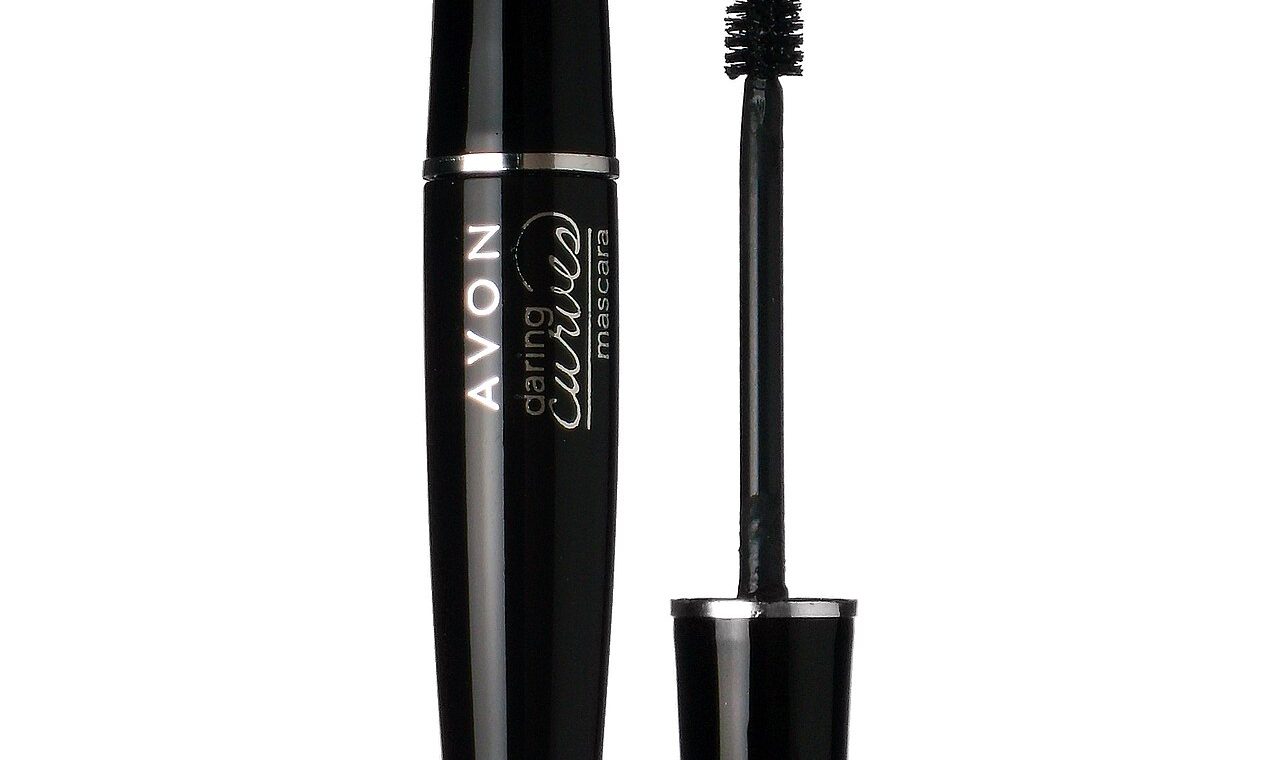
Do mascara wand shapes actually change the result, or is the brush just packaging for the formula?
They change it, but less than the advertising suggests and more than most people assume.
The wand decides how much product reaches the lash and in what pattern.
I tested six wand shapes with the same formula, on the same eyes, over two weeks.
The differences were visible and they were predictable.
Here is what each shape does, and which one suits which lash.
What a wand actually controls
Bristle density controls how much product is picked up and deposited.
Bristle spacing controls separation between lashes.
Wand shape controls which lashes get reached and at what angle.
Formula controls drying, wear and flaking.
Both matter, and they interact.
A good formula on the wrong wand underperforms; a cheap formula on the right wand can look decent.
Shape is the most underrated variable.
The classic tapered brush
Widest in the middle, tapering at both ends.
It deposits evenly and is the safest choice for most people.
It separates reasonably well and builds volume in two coats.
It is also the shape most brands use, which is why most mascaras look similar.
If you have no strong preference, this is the one to start with.
Boring and reliable.
That is a compliment in this category.
The straight, dense brush
Short bristles, tightly packed, no taper.
It deposits a lot of product quickly, which gives volume but risks clumping.
It works well on short lashes that need thickness rather than length.
On long lashes it can produce a heavy, spidery look.
Comb through with a clean spoolie after applying.
That step fixes most clumping.
Volume always requires a comb.
The curved brush
A curve that follows the lash line lifts and curls.
It works well on straight lashes and on hooded eyes where lift matters.
It is less effective at the inner and outer corners, which are the hardest to reach.
Rotate the wand to reach them rather than pressing harder.
Pressing bends lashes instead of coating them.
The curve is a tool for the middle of the lash line.
Use it with a rotation, not a push.
The small precision brush
A short, narrow brush designed for lower lashes and corners.
It is the most useful second wand in a bag.
It also works well on very short lashes that a full brush cannot reach.
It deposits less product, so it needs two passes.
Two passes with a small brush beat one pass with a large one on short lashes.
Precision is a legitimate advantage.
Small tools solve specific problems.
The plastic comb wand
Moulded plastic teeth rather than bristles.
It separates excellently and deposits very little product.
It is the best choice for a natural look and the worst for volume.
It also rarely clumps, which makes it forgiving for beginners.
For a no-makeup look, it is the right tool.
For a photograph, it is not enough on its own.
Know what you are buying.
The spherical or fibre wand
A ball-shaped tip or fibre bristles designed to catch every lash.
They reach the small lashes at the corners better than a straight brush.
Fibre wands also hold more product, which can clump.
They work best with a thinner formula.
Thick formula plus fibre wand equals clumps, reliably.
Match the formula to the wand.
That pairing matters more than either alone.
What your lash type needs
Short lashes: a dense wand with a thin formula, two coats.
Long lashes: a comb or classic brush, one coat, to avoid weight.
Straight lashes: a curved wand plus a curler.
Sparse lashes: a small brush for precision, plus tightlining to fill the gaps.
Fine lashes: a lighter formula, since heavy product bends them down.
Lash type decides the wand, not the trend.
Identify your type first.
Does the curler matter more
For straight lashes, yes. A curler changes the shape more than any wand.
Curl before mascara, never after, or you will break lashes.
Warm the curler briefly with a hairdryer and test it on your hand first.
A warm curler holds a curl far longer.
That is a five second upgrade.
Most people curl after mascara and wonder why lashes break.
Order matters here more than product.
Removing product from the wand
Wipe the wand on the tube edge rather than pumping it.
Pumping pushes air into the tube and dries the formula.
A dried formula clumps and flakes.
That single habit extends the life of a mascara by weeks.
Most people pump without thinking.
Stop pumping and the product behaves.
Small habits, long-term results.
When to replace a mascara
Three months of use, or sooner if it smells different or flakes.
Bacteria build up in the tube regardless of how careful you are.
Eye infections are the most common cosmetic injury.
Do not add saline or water to revive a dried tube.
That introduces bacteria and changes the formula.
Replace it instead.
This is the one product where thrift is a bad idea.
Do wands fit different tubes
Sometimes, and it is a useful trick.
Keep a favourite wand and use it in a new tube of the same brand.
Check that it seats properly before relying on it.
That lets you keep a shape you like when the formula is discontinued.
It also gives you a second wand for precision work.
Small customisations are worth the effort.
Loyalty to a shape is more useful than loyalty to a brand.
What about the formula
Formula decides wear, flaking and removal, and it interacts with the wand.
A dry formula with a dense wand clumps; the same formula with a comb wand separates.
A wet formula with a comb wand deposits too little.
Pair them deliberately rather than buying both on reputation.
That is the practical version of this whole article.
Pairing is the skill.
Neither component is good alone.
How to test a mascara before buying
Ask for a sample wand at the counter, which most brands provide.
Apply one coat and look at the shape rather than the volume.
If the lashes separate and stay lifted, the pairing works for you.
If they clump immediately, the formula is too wet for the wand.
That test takes two minutes and predicts a month of use.
Most people buy on the advertising photograph.
The photograph was taken with a different lash type.
Layering two mascaras
A lengthening formula first and a volumising one second is a common technique.
It works if the first coat dries before the second is applied.
Applied wet on wet, it clumps reliably.
Wait thirty seconds between coats.
That interval is the whole technique.
Layering can also flake, since two formulas dry at different rates.
Test it on a day that does not matter.
Waterproof wands and removal
Waterproof formulas need an oil-based remover and a gentle technique.
Soak a cotton pad and hold it against the closed eye for twenty seconds before wiping.
Rubbing removes lashes along with product.
Lashes take months to grow back.
Patience at removal protects the result you spent time creating.
That is a fair trade.
Gentle removal is part of good application.
What the advertising photographs do not show
They are taken with false lashes, extensions or a lash lift underneath.
The wand shape in the photograph is often not the one that produced the result.
And the lashes have been combed between every coat.
You can replicate the combing, not the lashes.
Combing is the honest part of the technique.
Everything else is production.
Copy the combing, ignore the rest.
The one upgrade worth making
A metal lash comb costs very little and fixes clumping better than any formula change.
Comb immediately after the first coat, while the product is still soft.
Then apply the second coat and comb again.
The result looks like more lashes rather than more product.
That is the difference people notice.
Tools again, not products.
The cheapest upgrade is usually the one that works.
Mascara and lash health
Conditioning claims are mostly marketing, but gentle removal genuinely protects lashes.
Lashes grow in cycles, so a broken lash takes eight weeks to return.
That is long enough to matter.
Use oil-based removers, never rub, and give the eye a bare night occasionally.
Rest is a legitimate part of the routine.
Lashes are the tool, not the product.
Protect the tool.
Which wand has been working for you?
Look at the shape of the one you repurchase and see what it has in common.
That shape is your answer, regardless of what the advertising says.
Which lash problem have you been trying to solve with the wrong brush?